Cold Morning, Heavy Gate, Simple Truth
Sun wasn’t up when the gate froze shut. I fired up the 500cc quad and bumped along the frost line. As I weighed my options last fall, I kept scrolling through 500cc quads for sale, wondering which one could pull a feed sled and not complain. The numbers were clear: 2 miles of ruts, 600 pounds to tow, 45 minutes saved on chores each day—if the machine’s torque curve and ground clearance matched the terrain. But here’s the kicker: most trouble doesn’t show up on the spec sheet. Cold starts get fussy. CVT belts glaze on long climbs. Radiators cake with hay dust in a hurry. You feel it all when the wind bites your knuckles and a calf bawls at the fence (been there). So you ask yourself: what do we miss when we choose by paint and price alone? Out here, the right call isn’t fancy. It’s steady. It’s the machine that starts, steers, and stops even when the mud has other plans—funny how that works, right? Let’s dig under the hood and talk through the problems folks don’t see until they’re knee-deep in them. Here’s where the hidden snags live, and how to spot them before they spot you. On we go to the real shopping list.

The Hidden Snags When You’re Shopping, Not Riding
Where do “good specs” let you down?
Most folks eye power and price, then call it done. That’s not the whole story. In the world of 500cc quads for sale, the real pain comes from how parts work together under load. Look, it’s simpler than you think. The CVT gearbox can overheat on slow, heavy pulls; heat soak turns smooth takeoff into a slip-n-grab mess. EFI mapping may be fine at sea level but run rich on your high ridge, drowning low-end grunt when you need it. A tight radiator shroud traps seeds and chaff; then the fan cycles nonstop, and your day gets short. EPS feels great on flat gravel but can go vague in ruts if the steering geometry isn’t sorted. Terms to watch: CVT, EFI mapping, EPS, and differential lock. They sound technical, but they’re your day-to-day. If those pieces don’t match your chores, you’ll be chasing gremlins.
Weight and balance matter too. Big cargo racks mean little if the payload capacity and frame bracing don’t back them up. Soft suspension travel is comfy on pasture but bottoms out with a sprayer on the rear. Front disc brakes work until they get muddy; are the hydraulic lines routed high and out of harm’s way? And don’t forget service points. If you can’t reach the airbox and belt cover fast, dust wins. It always does. The fix is to shop for systems, not slogans. Ask how heat is managed, how the torque curve peaks, and where the skid plate actually protects. Simple questions save long afternoons.
Looking Ahead: Smarter 500s That Work Harder
What’s Next
Let’s shift the view. New tech isn’t just for showrooms; it can tackle those snags head-on. A modern ECU with altitude-aware fueling trims the mix as you climb, keeping torque steady. Think of it as the brain that keeps your pull clean. Add a staged cooling path—bigger radiator core, brushless fan logic, better ducting—and you cut heat soak before it starts. Some systems even use simple CAN bus alerts to tell you when belt temps creep up (a warning that saves a weekend). Sounds fancy, but it’s farm-helpful. Pair that with tuned EPS ratios that firm up in ruts and lighten on flats, and steering stays honest. Power converters can stabilize accessory draw so your winch and lights don’t brown out the starter. And yes, a small sensor pack can act like “edge computing nodes,” watching load, grade, and throttle to suggest service before failure—quiet smarts. If you’re weighing a 500cc four wheeler, this is the kind of thinking that keeps it ready when weather turns. Different? Sure. But the end result is simple: better pull, cooler running, cleaner starts—day after day.
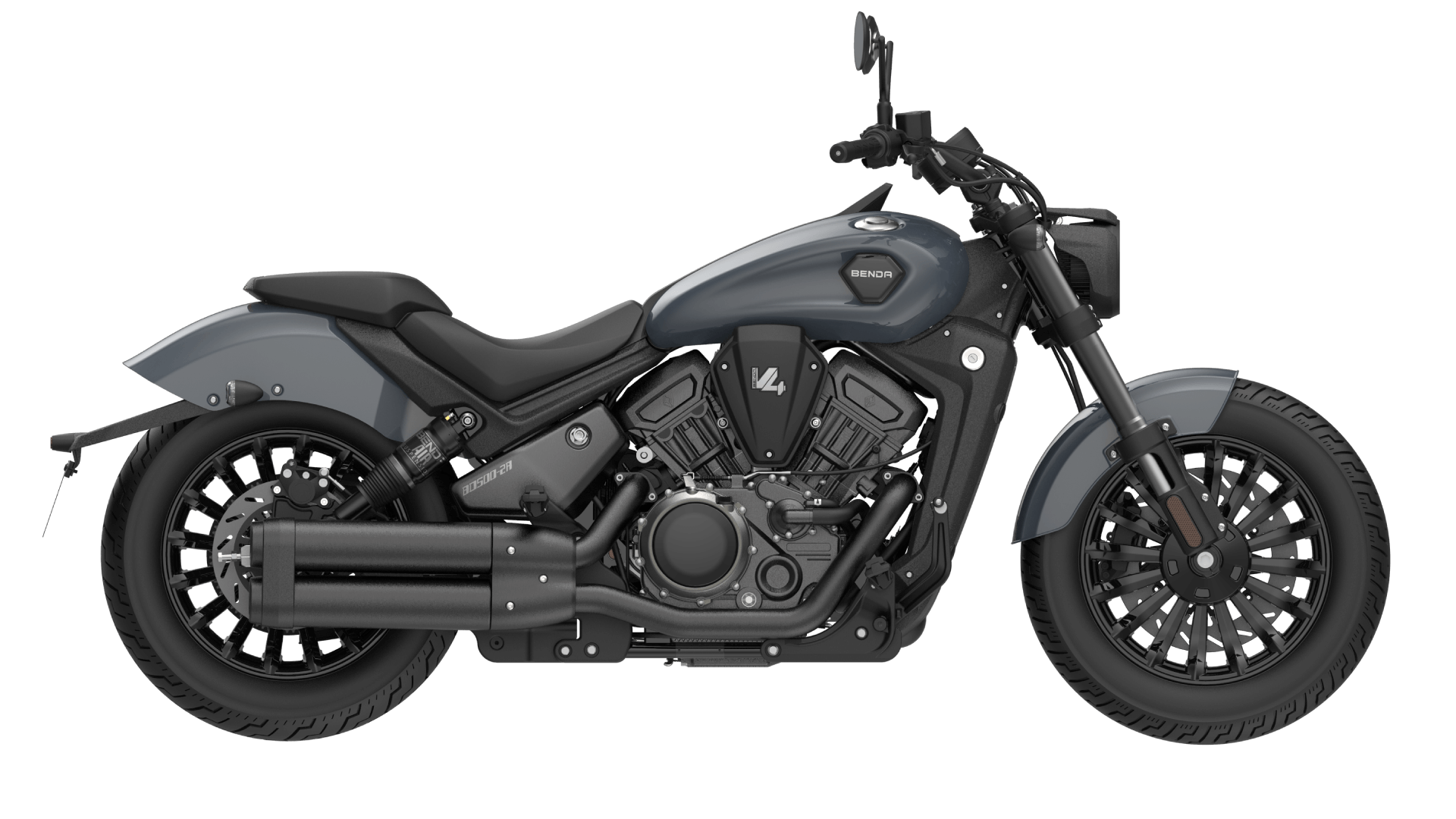
Now, two things to take from earlier, without repeating ourselves. First, matching systems beats chasing big numbers—because numbers don’t open gates. Second, access and feedback are your friends: if you can reach the belt, and the dash tells you the truth, you stay ahead of trouble. — And that’s the rub. To close, here are three clear metrics to size up before you buy: 1) Thermal control: belt temp monitoring, radiator access, and fan strategy; 2) Driveline behavior: CVT engagement feel, differential lock action, and downhill compression braking; 3) Service design: tool-free airbox, drain points, and belt-cover reach. Choose by these, and the rest falls in line. For a grounded reference point, see how builders like BENDA approach those basics and build from there.