A Stairwell That Deserves Better Light
Here’s a bold one: most tall stairwells are underlit, overglared, or both. A local chandelier supply company had sent over a glossy brochure. The photos looked grand, sure, but the family’s landing still felt dim at the treads and harsh at eye level—like walking into a torch beam after dusk. Last winter, I tracked a set of retrofit calls on three similar homes; two in five were down to poor beam spread and the wrong driver pairing, not the fixture style itself. So, if looks are handled, why do comfort and safety still lag behind?
Down our way, we like things to do a proper job. The idea is simple enough: get the right lumen output, aim the light, and keep the wiring tidy. Yet, tall voids behave differently. Light drops off fast, shadows stack up, and heat near the canopy can shorten LED life. The numbers don’t fib. Miss the beam angle and you’ll get glare on the mezzanine and gloom on the risers. Miss the dimming curve and evenings feel flat. Are we asking the wrong questions at the start? Let’s step through the pitfalls and sort the fix, quick-smart.
Hidden Snags in Staircase Chandelier Choices
Where do typical plans go wrong?
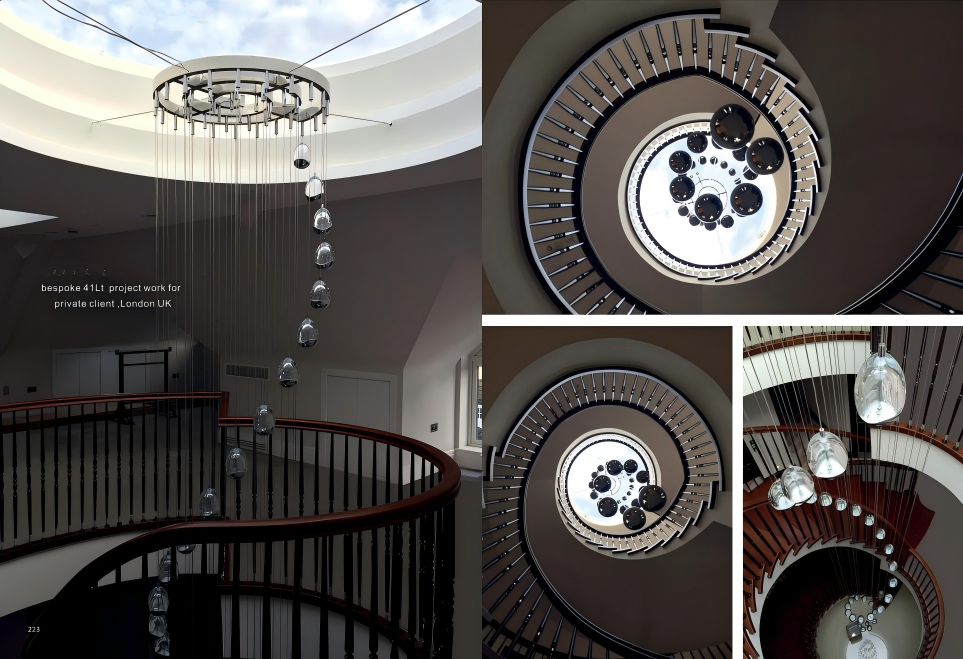
When people search for chandelier lights for staircase, they often start with height and style. Good start, wrong order. Technically, tall voids need matched optics and control first. Look, it’s simpler than you think. Begin with target lux on the treads, then choose a beam angle that hits them without flaring at eye line. Next, specify the driver and dimming protocol so the fade is smooth at low levels. Miss those, and no amount of crystal saves the scene—funny how that works, right?
Three hidden pain points crop up again and again. One: glare from wide optics placed too high. Two: poor colour rendering (low CRI) that makes timber stairs look dull. Three: drivers with weak power factor or the wrong load range, which cause flicker on long runs. Add tight canopy space and heat build-up, and you’ll see premature lumen drop. In the hall I mentioned earlier, a narrower optic and a constant-current driver fixed both shadowing and flicker in one go. That’s the trick: sort the science first, then pick the look.
What’s Changing: Smarter Lighting for Tall Voids
What’s Next
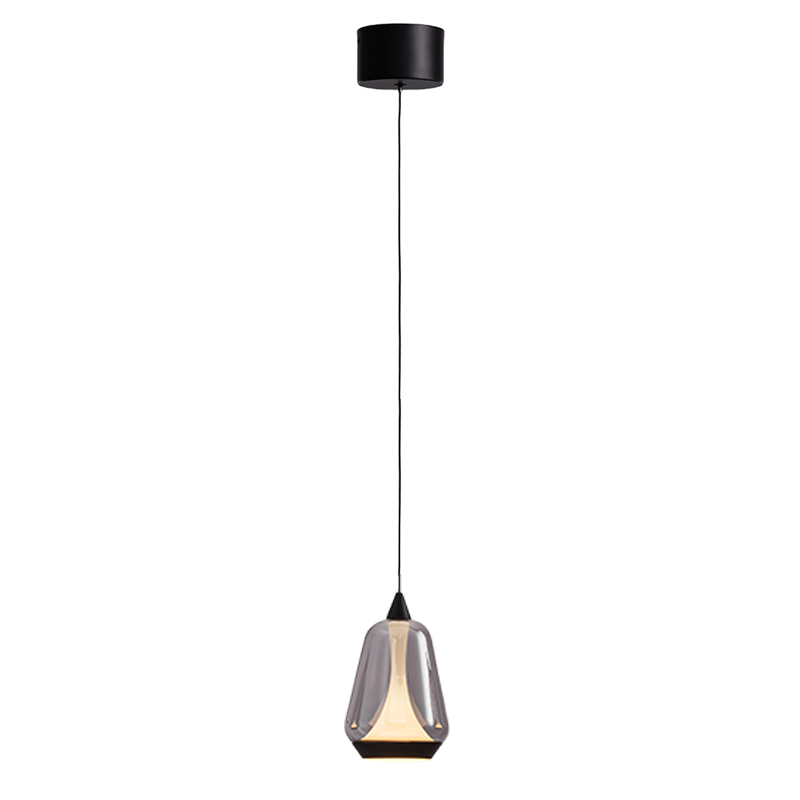
Now, let’s look ahead—and compare. Older installs relied on brute lumens and hope. Newer systems use tuned drivers, thermal management, and sensor cues to keep light even as seasons shift. A well-designed large foyer pendant light can now run a constant-current driver with soft-start, link to DALI-2 for clean dimming, and hold colour with tight binning. Add a small sensor node near the mid-landing and you can adapt brightness as you move. Less glare, more calm. And the fitting stays cool, so LEDs keep their output longer—win-win.
The real shift is principle-based. We map the light plane first, size optics second, and only then pair the form. In practice, that means confirming mounting height against beam angle, checking CRI and CCT for material finishes, and validating driver load so there’s no buzz or flicker. Do that, and selection becomes faster—proper job. To wrap up, here are three quick metrics to judge any staircase set-up: 1) Uniformity ratio on treads: aim for 0.5 or better to avoid dark spots; 2) Low-level dimming: stable to at least 1% with your chosen control (no steps, no shimmer); 3) Thermal path: room in the canopy for airflow and a driver rated for the ambient—get this wrong and lifespan falls off a cliff. Keep those in your pocket, and you’ll choose with clear eyes—and that’s the kicker. For steady guidance without the hard sell, you can always cross-check specifications at kinglong.