Introduction — A Question, a Stat, and a Small Puzzle
Have you ever paused at a curb and wondered why plugging in feels like a gamble?
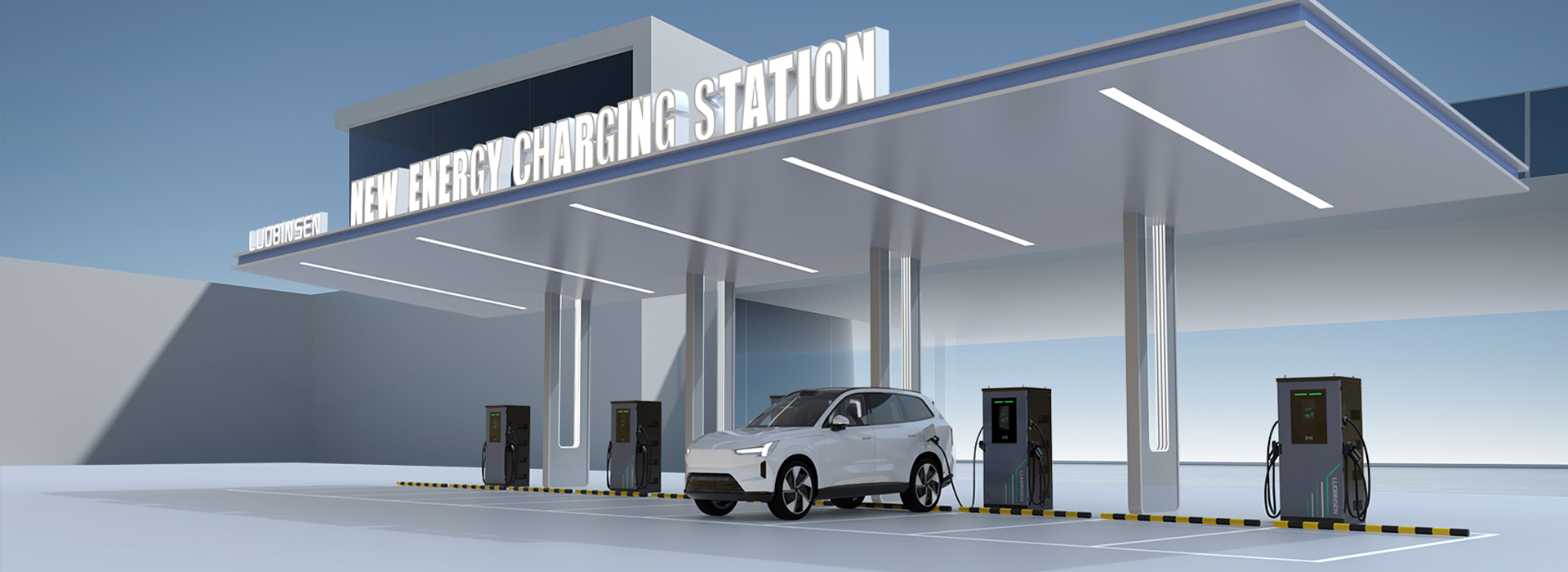
An ev power charging station is meant to be the backbone of daily electric driving, yet recent city surveys report peak-hour queues and unpredictable charging speeds (in some areas average dwell time climbs past half an hour). I want to share a clear scene: commuters, delivery vans, and taxi fleets all lining up for limited ports. What exactly breaks down between the promise of quick charging and the reality of waiting? — a simple question, but it points to several deeper failures that follow.
I’ll lay things out politely and plainly. We’ll look at where systems trip up, what users quietly tolerate, and what I think matters most as we move forward. Please join me as we move to the practical faults behind the scenes.

Part 1 — Where Traditional Approaches Fall Short (Technical Look)
So what’s actually failing?
I first want to point you to the supplier layer: ev charging station supplier. Many operators rely on hardware and software stacks that were designed for low-density use. In short: power converters sized for older loads, basic load balancing logic, and sparse telemetry from edge computing nodes combine to make the network brittle. I’ve seen installations where a single faulty converter drags down an entire row of chargers. That’s a simple failure mode, and it repeats often.
Here’s another angle — demand forecasting. Operators usually plan capacity using coarse averages. Peak patterns change by the hour, and the system cannot react quickly. Without fine-grained smart metering and real-time load balancing, stations either underperform or trip protective systems. Look, it’s simpler than you think: poor instrumentation plus static control equals avoidable congestion. Users suffer the wait. Operators face uptime issues. We end up patching with temporary workarounds rather than fixing root causes — funny how that works, right?
Part 2 — Hidden User Pain Points and Their Ripple Effects
From the user side, impatience is only the surface. Drivers also deal with inconsistent pricing, incomplete session data, and opaque fault messages. I’ve spoken with fleet managers who tell me they lose scheduling confidence because a charger that worked yesterday is offline this morning. That lost confidence becomes operational friction: drivers carry extra margin in their routes, idle time rises, and carbon benefits shrink.
There’s also a trust problem. When the interface shows “charging” but the energy transfer is slow, people assume the network is unreliable. That perception reduces adoption momentum. For suppliers and planners, the lesson is blunt: you can have lots of stations, but if they’re not reliable, users treat them as optional. We need better diagnostics (remote logs, automatic alerts), modular hardware that swaps quickly, and software that coordinates multiple sites. — and yes, that matters.
Part 3 — New Technology Principles and a Practical Path Forward
What’s Next?
Now let’s look ahead with a technical yet accessible lens. Modern approaches center on three principles: distributed intelligence, adaptive power management, and transparent user feedback. Distributed intelligence uses edge computing nodes at each site to run local scheduling so that chargers negotiate load without constant cloud round-trips. Adaptive power management leverages smart inverters and advanced power converters to shift energy dynamically. Transparent feedback means the app and the charger tell a user what is happening in clear terms — expected time, current rate, and any delays.
Implementing these principles lowers peak stress and reduces the number of hard failures. For operators, that translates to fewer truck rolls and better uptime. For drivers, that means predictable sessions and less anxiety. Case studies show that sites using local intelligence plus cloud orchestration drop average wait times significantly over static systems. I believe the payoff is both technical and human — smoother operations and happier drivers.
Closing — Three Practical Metrics to Guide Selection
Before we wrap up, I’ll offer three concrete evaluation metrics I use when advising clients: 1) Mean Time Between Failures (MTBF) for hardware — higher is better; 2) Real-world delivered power versus rated power — does the station actually supply its claimed kW under load?; 3) Latency of control signals — lower latency means faster local decisions and fewer cascading faults. These metrics give you a grounded way to compare vendors and designs.
In my view, choosing systems that combine robust hardware, intelligent edge logic, and clear user feedback will deliver the most reliable outcomes. We should expect more from chargers than just a socket; we must demand systems that communicate, adapt, and recover quickly. If you’re evaluating options, start with those three measures and ask for field data. I’ll be watching how deployments evolve — yes, with some optimism and a healthy dose of skepticism.