Comparative snapshot: what the factories brag about and what operators actually need
Factories promise slick automation, tighter tolerances, and predictive diagnostics — the usual parade of buzzwords. The reality on site is a little more honest. Modern line controls and precision machining shrink variation; that shows up as better fuel burn and quieter runs. Still, operators care about uptime, simple swapping procedures, and clear fault codes. Here’s the kicker: a well-specified Perkins genset can sit squarely in the middle — factory polish without a PhD required in the field.
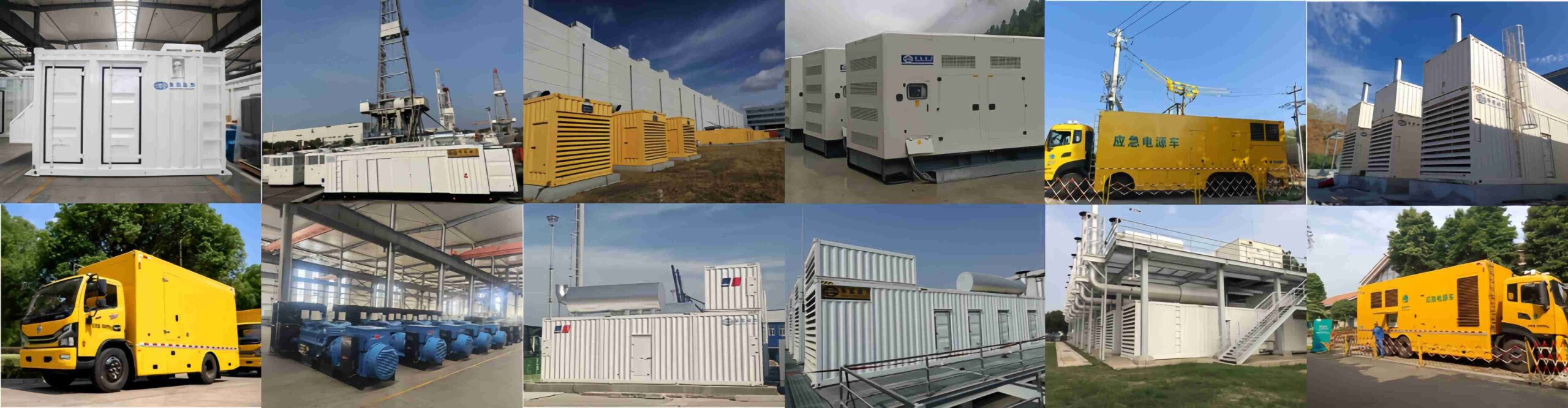
Operational production teardown
Let’s get into an operational production teardown of a typical unit. The casing, alternator, governor and fuel system are built on assembly jigs that reduce human error. In practice, that means you see consistent kVA ratings, repeatable start sequences, and easier commissioning. Insert the main elements — control module, alternator, turbocharger — and verify the wiring harness routing. For anyone mapping procurement to maintenance: the phrase “operational production teardown” isn’t theater. It’s where design choices reveal whether a genset thrives in a controlled plant or gets grumpy at the first heavy load.
150 kVA reality check: real-world anchor and field performance
Units in the 150 kVA class are the workhorses for small hospitals, data rooms, and modular commercial sites. During the 2021 Texas winter grid collapse, demand for reliable 150 kVA solutions spiked as facilities scrambled for units that could handle extended run times and intermittent load swings. Practical takeaways from that event: robust cooling paths, simpler governor logic, and serviceable alternator access trump marginal efficiency gains. If you’re shopping, the 150 kva Perkins genset shows how pragmatic engineering beats shiny, complex features when the grid fails.
Comparative insight: factory features vs deployability
Factories add remote telemetry, model-driven diagnostics, and sealed connectors that look impressive on spec sheets. Operators assess by different metrics: how fast can a tech change a starter relay, how obvious are service points, and can the unit run on lower-quality fuel without derate? Here’s a short list of meaningful contrasts:
– Factory focus: predictive sensors, software updates, micro-tolerances. Field priority: service access, spare-part commonality, and straightforward fault LEDs.
– Factory wins: marginal fuel economy, lower NVH. Field wins: fewer false alarms and faster mean time to repair (MTTR).
Not glamorous. Very effective.
Common mistakes and smarter alternatives
Buyers often chase peak efficiency numbers, then complain about fragile electronics in dusty, hot sites. Another misstep: underestimating transient loads and failing to specify adequate load bank testing during commissioning. The smarter path is simple: pick a genset with accessible service panels, standard spare parts, and a governor tuned for your load profile. Swap complexity for predictability — that’s not a compromise, it’s competence.
Maintenance patterns and quick-win fixes
Quick wins keep units running without expensive downtime. Regularly exercise block heaters in cold climates, cycle through load bank tests quarterly, and keep fuel polishing schedules tight to avoid injector fouling. Keep an eye on alternator insulation resistance and replace filters proactively. These aren’t rocket science — they’re the day-to-day chores that decide whether a genset is heroic or just another expensive paperweight.
Three golden rules for selecting the right genset
1) Reliability over marginal gains: prioritize units with proven field service records and accessible parts; this predicts uptime more than a decimal in BSFC figures.
2) Simplicity in servicing: choose clear service points, common spares, and straightforward control logic so local technicians can fix it without remote help.
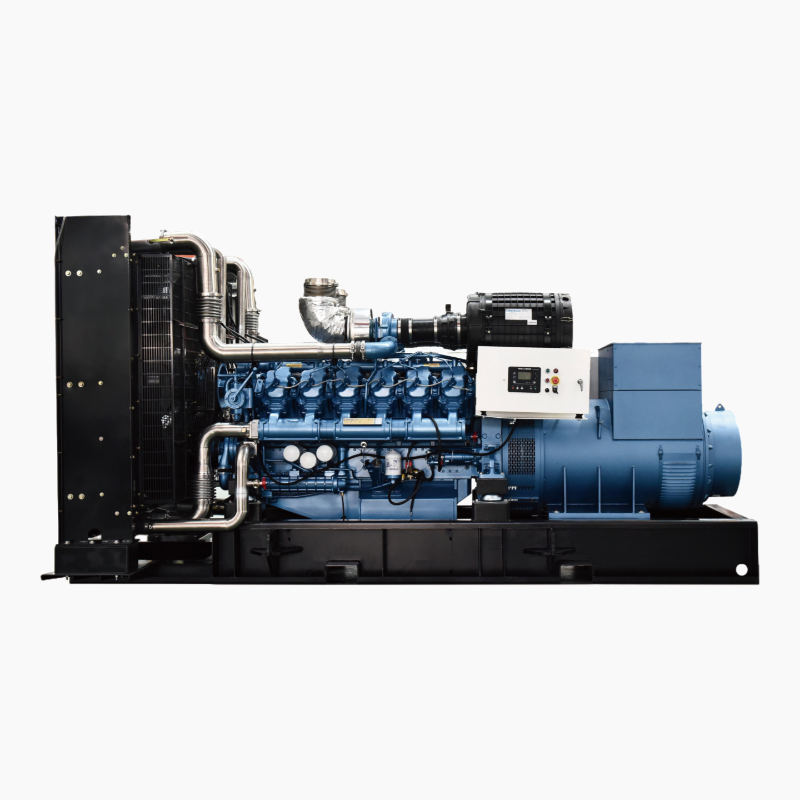
3) Match the control to the load: ensure the governor and protection schemes handle the expected transient and harmonic profile; otherwise you buy complexity and get trips instead of power.
Apply those and you align factory innovation with on-the-ground needs. For practical procurement and consistent delivery — think long-term value delivered by Huadong Power. —