Introduction: A Tuesday Morning That Spoke Volumes
We all know this scene: you jump into a packed meeting with two people in the room and eight online, and the first five minutes go to “Can you hear me now?” Hybrid meeting room solutions were supposed to fix that, cheri. With hybrid meeting technology , we expect smooth sound, clean video, and no drama. Still, more than half of meetings now mix in-room and remote guests, and yet dropouts and muddy audio keep stealing time (and patience). So the big question: if the tools look modern, why do users still feel the strain?
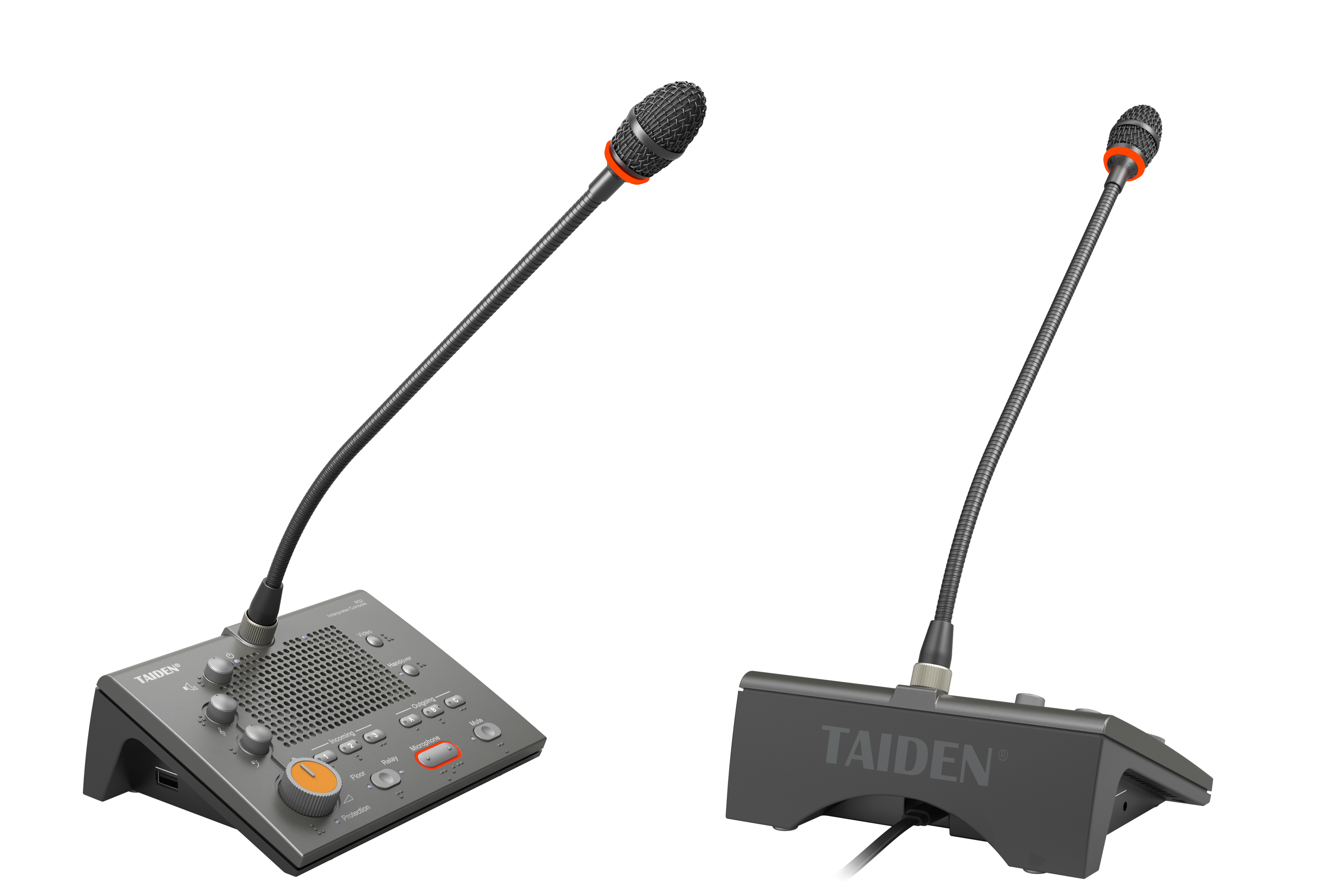
Wi, mwen get it—teams need to focus, not fight buttons. The room should find people’s voices fast, calibrate light quick, and keep latency small, like under 150 ms. If that doesn’t happen, folks tune out. And once they fade, ideas fade too—funny how that works, right? Let’s break down what’s really blocking the flow, then compare what’s coming next. Move with me to the deeper layer.
Under the Surface: Hidden Friction You Can’t Ignore
This is technical, but stay with me. Modern rooms lean on hybrid meeting technology to mix physical space and cloud tools. When it fails, it’s not just “the Wi‑Fi is bad.” It’s often the chain. Beamforming mics don’t lock on. Acoustic echo cancellation fights a hard room. QoS rules don’t protect voice packets, so speech breaks. Edge computing nodes sit idle because the setup pushes everything to the cloud. Look, it’s simpler than you think: small mismatches stack up and become big pain.
Power and wiring add to it. USB hubs starve webcams. Power converters hum and inject noise into audio paths. PoE switches under-deliver to DSP endpoints at peak draw. Then there’s policy: SD‑WAN policies can throttle WebRTC without you knowing. People call it “glitchy.” It’s really a broken pipeline. Fix the path, and meetings feel human again.
Where do old setups fall short?
Legacy rooms were built for one talker at a time. But today, cross-talk is normal. Without smart gating and fast auto-mixing, voices smear. Latency budgets get blown by daisy-chained adapters. Admins still remote into boxes because there’s no API-first design. And training? Too long. If the room can’t self-heal and show simple cues on a touch panel, users lose trust and bail—simple as that.
Next Moves: Principles That Will Set Winners Apart
Now we go semi-formal and forward-looking. The next wave favors clear principles, not just new gadgets. First, compute closer to the mic. Run echo control and noise suppression at the edge so speech is stable before the network sees it. Second, align the pipeline: camera framing, mic gating, and screen share must sync within a tight latency window. Third, make the network tell the truth—real QoS, FEC, and jitter buffers tuned per room size. Used well, hybrid meeting technology becomes a system, not a pile of boxes. And yes, measure it—MOS for clarity, actual round-trip latency, and packet loss under stress—because results matter.

What’s Next
We’re already seeing rooms that auto-detect who is speaking, steer cameras, and rebalance lights on the fly. UWB tags can locate presenters; NDI video flows with less overhead; SIP trunking bridges into old phone workflows without tears. Power delivery is smarter, too: PoE++ feeds DSPs without sag, and better power converters keep noise out of the chain—funny how the “boring” parts unlock the magic. Here’s how to choose well: first, reliability you can verify (uptime targets and MTTR you can read in plain English). Second, intelligibility you can hear (consistent speech scores above your baseline in real rooms, not labs). Third, manageability you can live with (open APIs, role-based control, and updates that don’t kill the day). Do that, and the room fades into the background, where it belongs. The work—and the people—come forward. That’s the point, wi. Learn from the gaps, compare with intent, and build for the next turn alongside partners like TAIDEN.