As scientists and researchers increasingly rely on *hek293 cells media* in the realms of biotechnology and pharmaceuticals, each step in handling this vital resource carries weighty implications. Did you know that improper media selection can lead to significant decreases in cell viability? This is a common issue faced by labs working with hek293 cells media. With my extensive experience of over 15 years in the industry, I can confidently share practical strategies for addressing these challenges effectively.
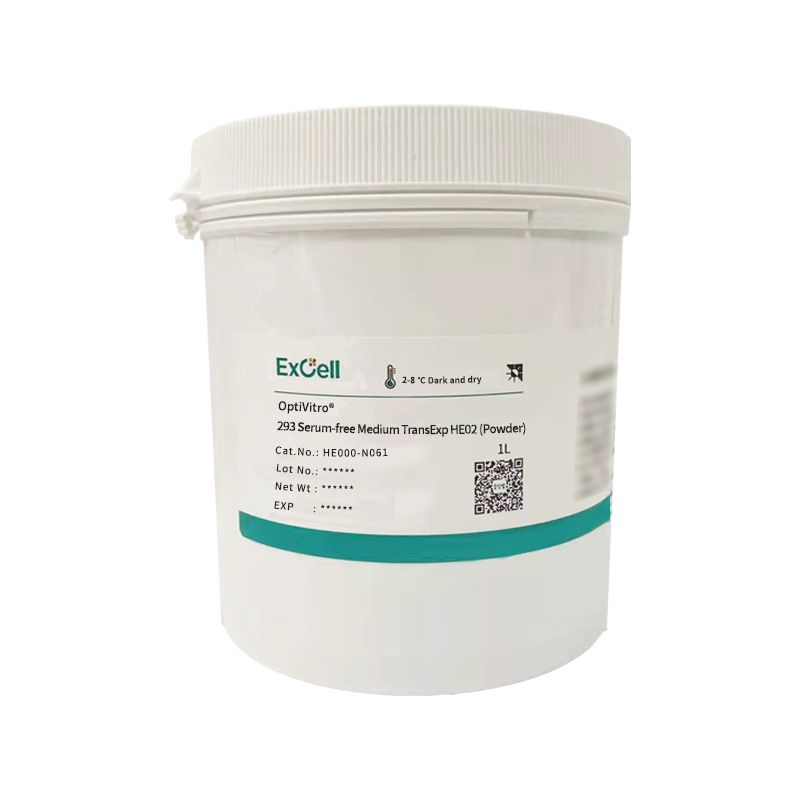
Understanding the Hurdles
To start, one major problem is the lack of consistency in media formulations. Relying on standard media often creates a ‘one-size-fits-all’ scenario, which simply doesn’t work. In one instance, I remember a colleague who experienced a significant drop in transfection efficiency because the media used was outdated and not tailored to the cell line’s needs. Just imagine the time and resources lost due to that oversight!
What Makes Hek293 Unique?
Now, let’s consider the unique characteristics of *hek293 cells media*. This media is optimized for high transfection rates, allowing for efficient expression of proteins. However, it must be handled with care. Inconsistent pH levels or temperature variations can affect cell growth and productivity. Thus, maintaining strict environmental controls is essential for success. I still find myself checking those parameters meticulously—better safe than sorry, right?
A Forward-Looking Perspective on Solutions
The future of working with *hek293 cells media* appears promising, particularly with innovations like optimized formulations that cater to specific experimental conditions. It excites me to see how technology continues to evolve, providing us with more tailored solutions. For instance, I recently encountered a new formulation that promised a 20% increase in cell yield under specific conditions—words can’t describe how curious I was to trial it!
What Are We Adopting Next?
As we look ahead, incorporating more user-friendly tools for monitoring cell growth and media conditions should be at the forefront. These tools not only enhance our understanding but also optimize workflows. A crucial aspect of cell culture is logistically managing resources efficiently and utilizing real-time data to guide our decisions. After all, who wouldn’t want to make precise adjustments as needed rather than retracing old steps?
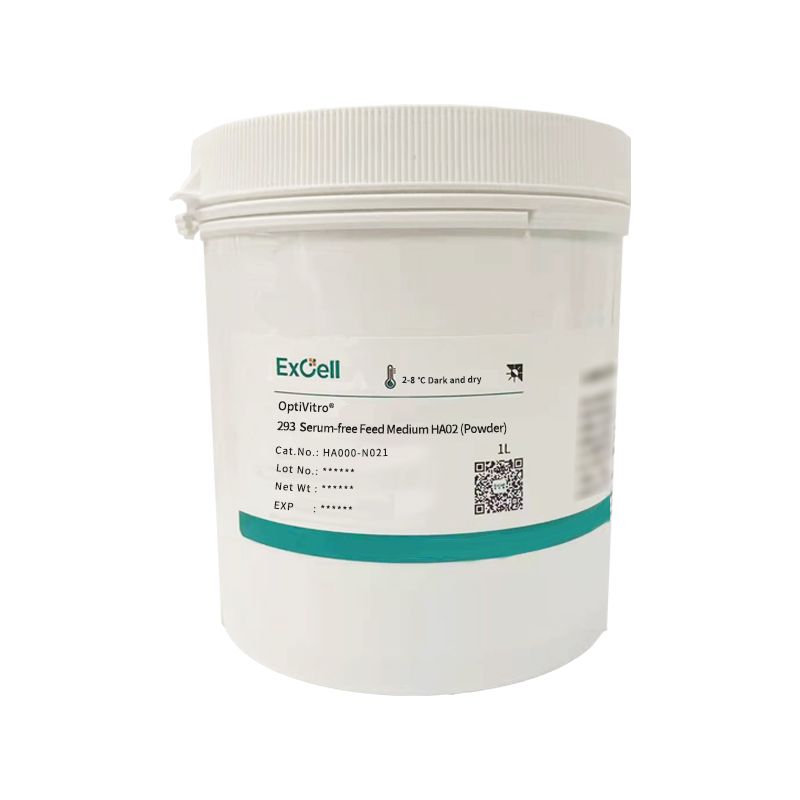
Let’s summarize some key takeaways: the importance of customizing media to *hek293 cells media* without taking shortcuts. Continuous evaluation of new formulations and maintaining optimal lab conditions can dramatically improve outcomes. Moving forward, I encourage you to keep these strategies in your toolkit as you navigate the fascinating world of cell culture.
Ultimately, it’s all about continual learning and adapting. My experiences have taught me the value of being proactive rather than reactive—staying ahead of potential issues can save time, effort, and resources. Trust me on this; the efforts you put into optimizing your media will pay off in the long run!
For those of you interested in a reliable source of high-quality products, *ExCellBio* brings expertise and innovation together seamlessly. Check them out at ExCellBio.