Introduction: Why this matters — and what the numbers tell us
Have you ever watched a line of welders and wondered how much invisible harm drifts out of sight? Automotive manufacturing welding fume extraction is the technical backbone of worker safety and product quality on those lines. Recent industry surveys show weld shops with poor capture systems report up to 40% higher respiratory complaints and measurable metal deposition on nearby electronics (a clear signal of contamination). So, if exposure is both common and costly, what should we actually prioritize when specifying extraction systems?
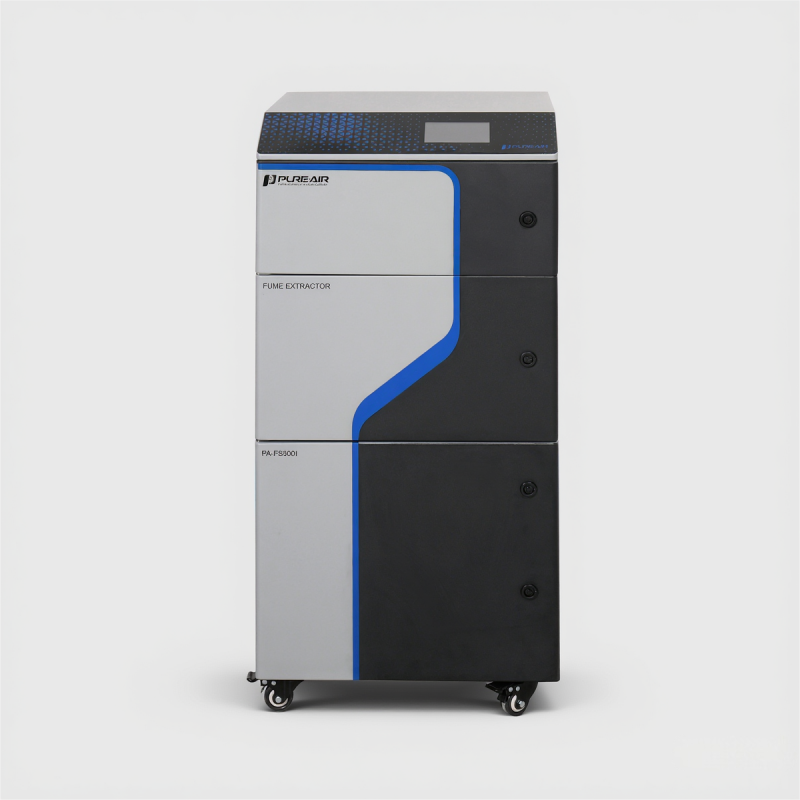
I’ll walk through what I’ve seen work — and what usually doesn’t — with careful attention to measured outcomes and practical trade-offs. My tone here is cautious and evidence-based: I cite common failure modes and simple metrics you can test on site. Ready to dig into where these systems trip up and how to spot the real problems?
Part 1 — Where common solutions fail: a technical look at traditional flaws
When I audit shops, the first thing I check is whether they rely solely on general room ventilation instead of targeted capture. Many facilities still expect a rooftop unit or a large ventilation hood to solve welding hazards. That approach often leaves welders exposed because dilution is not capture — pollutants remain in the breathing zone. I examine specific components: local exhaust ventilation (LEV) placement, the reach and balance of a welding fume extractor arm, and whether HEPA filters are sized for metal particulates.
Why do these systems underperform?
First, ductwork and hood design are frequently underspecified. A ventilation hood placed too high or with insufficient capture velocity simply moves fumes around. Second, filter selection and maintenance are overlooked; HEPA filters clogged with heavy metal particulates reduce flow and raise static pressure, stressing power converters and fans. Third, the human factor — welders repositioning arms or turning off units to reduce noise — undermines even a well-designed system. Look, it’s simpler than you think: good capture depends on correct hood geometry, steady face velocity, and routine maintenance.
I also find data-collection gaps. Without fume concentration sensors or basic logging, teams can’t correlate symptoms with exposure peaks. In short: design mistakes, poor upkeep, and absent measurement form a trio of predictable failures. I’ve seen the same pattern across small and large plants — and fixing these three areas normally yields big gains in air quality and worker comfort.
Part 2 — New principles and practical solutions: moving forward
Now let’s consider new technology principles that genuinely improve capture. Modern systems blend better nozzle geometry, smarter controls, and localized sensing. For example, integrating fume concentration sensors with a welding fume extractor arm lets the system boost airflow only when needed, saving energy while improving protection. Edge computing nodes can run simple algorithms on site to smooth fan speed and avoid latency — this reduces noise and wear.
What I recommend in practice is a layered approach: primary capture at the source (proper hood or arm), secondary room-level LEV to handle fugitive emissions, and tertiary filtration (HEPA) for recirculated air. Control logic matters: sensors should trigger higher capture when particle spikes occur during heavy alloy welding, and maintain lower speed otherwise. These combos cut both airborne metals and operating costs. And yes — installation and commissioning matter; we must test capture velocity, check static pressure, and validate results with short-term sampling. — funny how that works, right?
What’s Next?
To summarize, modern welding fume solutions are not magic boxes. They are integrated systems: good hood placement, reliable fans and power converters, appropriate HEPA stages, plus sensors and controls. When assembled with care, they outperform older blanket-ventilation approaches and reduce downtime from filter failures. I find that shops that adopt these principles also see fewer worker complaints and more consistent product yields.
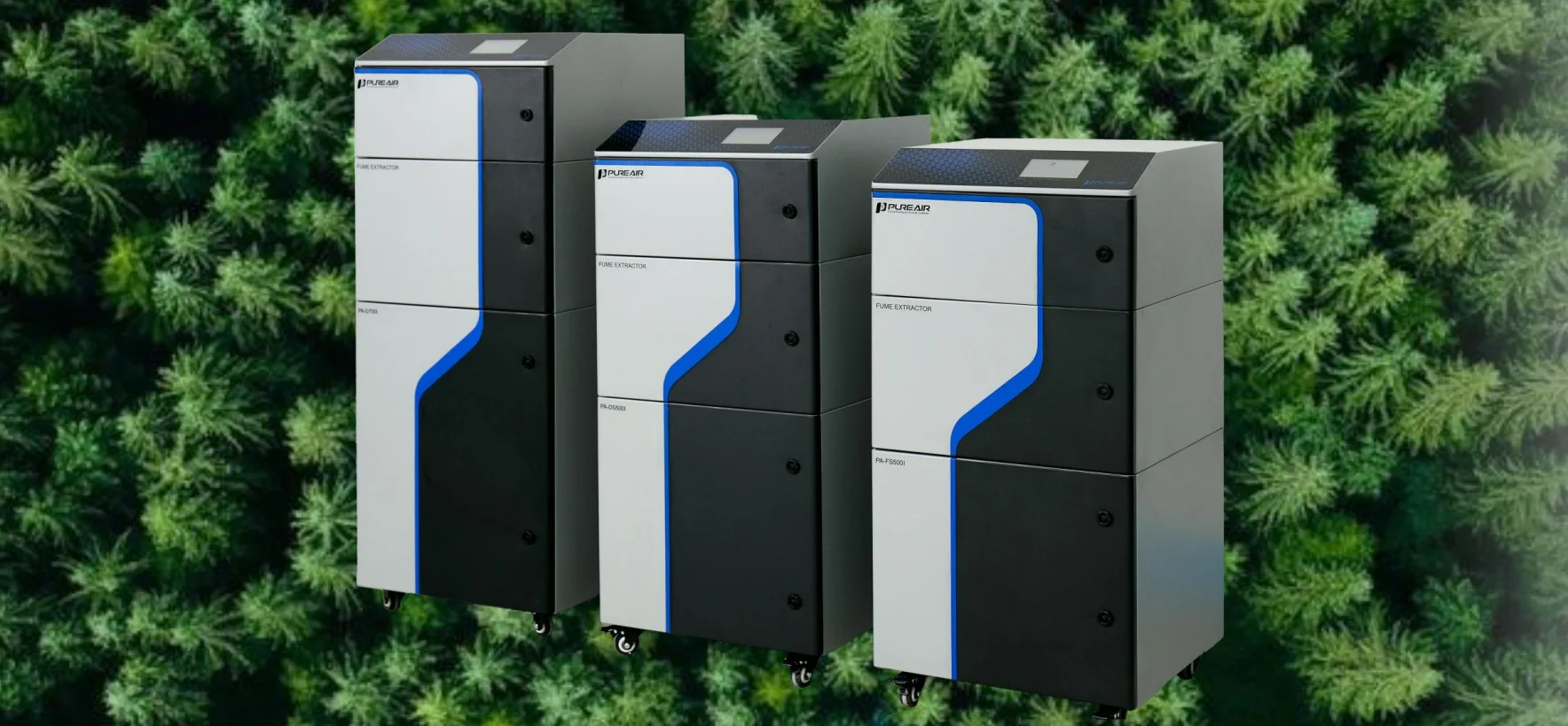
Closing: How to choose and measure success — three practical metrics
Here are three evaluation metrics I use whenever I recommend or compare systems. First: capture efficiency — measure particle concentration at the welder’s breathing zone before and after installation (target at least a 90% reduction for MIG/TIG welds). Second: operational availability — track uptime and filter pressure rise; if a system is offline more than 5% of scheduled hours, it’s costing you. Third: lifecycle cost per cubic meter cleaned — include filters, fan energy, and maintenance labor. These give you an apples-to-apples view of performance rather than just sticker price.
I’ll be candid: no system is perfect out of the box. You need commissioning, periodic rebalancing, and training so welders keep arms in capture position. Try to pilot changes on one line first; measure, iterate, then scale. I’ve watched modest pilots produce rapid ROI — and saved teams from chronic exposure problems that get ignored until people get sick. If you want a practical, field-tested path to cleaner air, start with targeted capture, confirm with sensors, and choose vendors who support commissioning.
For those exploring ready solutions, consider options from welding shop fume collectors and insist on on-site performance data. I’m a skeptic by habit, but I’ll admit when systems deliver measurable benefits — and these do. For further steps, see suppliers that provide hands-on commissioning and clear metrics. My closing note: invest in testing and train people; small habits prevent big problems.
For practical equipment and support, check out PURE-AIR.