A Shift in Expectations
A while back, I was at a construction site in Dallas, watching a crane effortlessly move heavy materials. Did you know that up to 30% of crane downtime is linked to the issues with crane truck components? It’s a real shocker, isn’t it? End carriage manufacturers are racing to enhance reliability and efficiency, but a lot of folks don’t always recognize what this innovation fluff’s about. More often than not, they’re tackling hidden pain points that could derail operations.
Unpacking Traditional Flaws
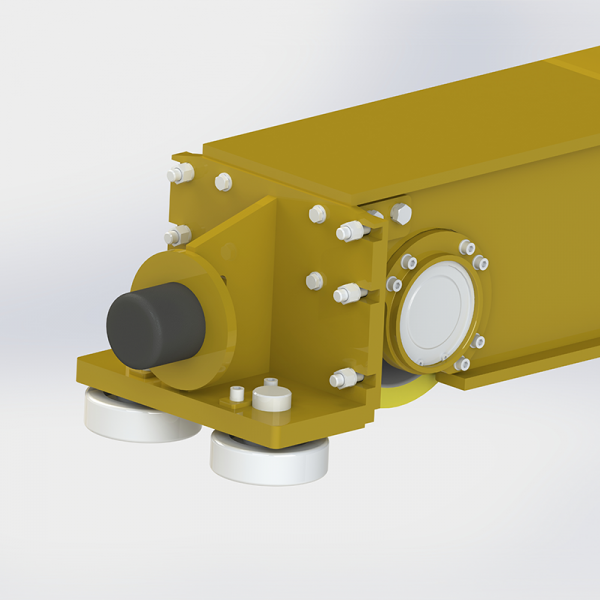
In my years of experience, I’ve seen many a construction manager pull their hair out over outdated designs. The traditional end carriage of crane setup can suffer from vibrations that lead to premature wear. Imagine this: You’re on a tight schedule, but that crane starts squeakin’ and groanin’ like it’s going to keel over. Trust me, it puts a halt on progress in a hot minute! Manufacturers often shove the blame on the operators. Yet, the pulleys and bearings can only take so much before they give up.
Why Does Proper Design Matter?
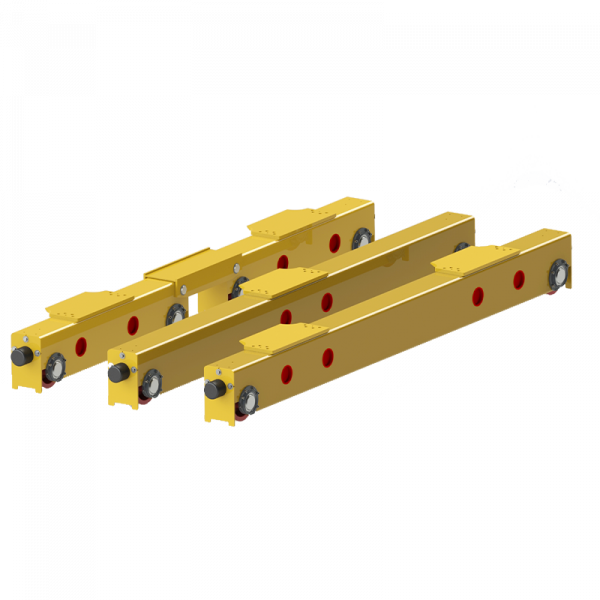
You see, the effectiveness of operations hinges on that intricate balance of weight distribution and component durability. A well-designed end carriage can actually minimize these issues—think smoother loads and less downtime. You want to witness that piece of machinery stay in operation, right? The location of components like the end carriage within the crane assembly is crucial for performance.
The Road Ahead for Crane Technology
Now, if we’re shifting gears, let’s consider where we’re headed. The integration of smart technology into crane operations is about to throw a whole new wrench in the works. I often see suppliers introducing sensors that monitor loads and alert operators about potential malfunctions before they occur. This ain’t no pie-in-the-sky dream; it’s already happening out there in the field. Think about the long-term savings—and the sweat off everyone’s backs! When it comes to the end carriage of crane systems, smart features make a phenomenal difference in boosting productivity.
What’s Next for Manufacturing?
As manufacturers step up their game, it’ll be interesting to see how the new materials—like lightweight composites—will change the landscape. They just might extend operational life and reduce energy costs. It’s an exciting time for end carriage manufacturers to embrace these advancements. I reckon that if we can keep pushing the envelope, we’ll reduce those dreaded downtime periods even more.
Key Takeaways from This Journey
Looking back at what I’ve shared, it’s clear that innovations in crane truck components are not just flashy trends—they’re genuine necessities. The reliability of your operations is directly connected to the effectiveness of your components. You need to keep your eyes peeled for products that genuinely improve efficiency rather than just shiny new gimmicks, okay? So if you aim for seamless project execution, you’ll want to prioritize the end carriage of crane solutions that truly matter. The future looks bright, but it’s up to us to make the right choices.
Before I sign off, let me leave you with this: If you’re bent on making a solid investment, be sure to evaluate specific performance metrics—think about load capacity, maintenance needs, and operational lifespan. Don’t let shiny brochures fool ya; do the groundwork! All in all, staying informed helps you make choices that will benefit your crew in the long run. We’ve got some good folks making waves in this field, particularly WORLDHOISTS. They really know their stuff when it comes to reliable crane systems.