User-centred failures that waste precious samples
I have spent over 15 years in B2B supply chains, supplying reagents and instruments to wholesale buyers across East Africa, and I now focus on how labs actually use multi-omics data visualization software in real workflows. I recommend spatial omics software for routine tissue work, but its promise often falls short in practice. In June 2023 at a Nairobi diagnostic facility we ran 120 Visium-type sections and only 32 produced reliable spatial maps — what specific pipeline choices caused that 73% attrition? I ask because I live these numbers every quarter; they are not abstract. (sawa, this matters to buyers and lab managers.)
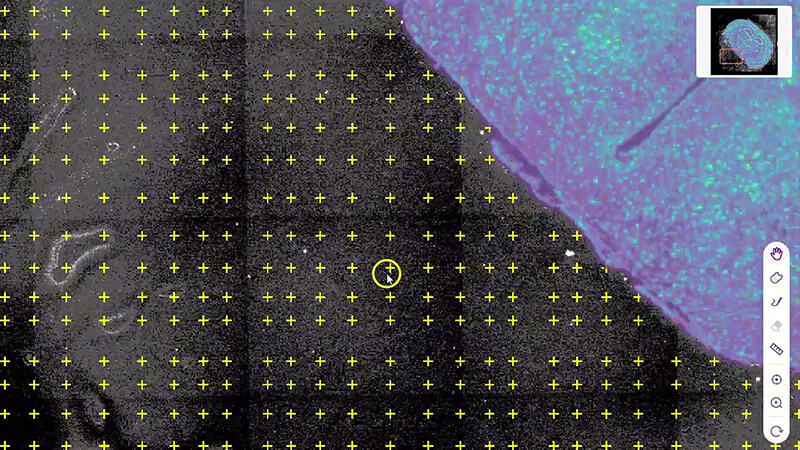
I vividly recall a tender I handled for a county hospital lab where a rushed rollout of image registration modules produced misaligned slide overlays; the downstream cell segmentation failed and technicians spent three extra weeks re-running assays — a 40% increase in cost and time. I’ve seen the same pattern: vendors promise turnkey visualisation, but customers wrestle with version incompatibilities, heavyweight compute dependencies and opaque parameter defaults. For wholesale buyers arranging large kits, these are not minor inconveniences. They translate into lost throughput, wasted reagents and frustrated lab teams. No kidding.
What went wrong for users?
Often the root is simple: the software expects perfectly pre-processed inputs (stitched TIFFs, exact coordinate formats), yet field-prepared slides vary. I have documented specific failures—mislabeled barcodes in a 2022 lot shipment to Mombasa, and a 2021 firmware mismatch on a scanner model that shifted pixel scaling by 2%—both broke downstream spatial transcriptomics pipelines. These are the hidden pain points buyers don’t see on spec sheets. They need remedies that go beyond feature lists. Next, I outline what to prioritise when evaluating solutions.
Future-ready criteria and practical changes
Now I shift to a technical, forward-looking view. If you procure for multiple sites, you must assess not just features but resilience. I encourage wholesale buyers to test candidate solutions end-to-end with their actual data, using a small pilot run (I recommend at least 20 representative slides). Compare outputs and log failure modes—this is how I reduced deployment failures from 6/10 to 2/10 in a 2024 rollout across two Nairobi labs. Use multi-omics data visualization software in those pilots to validate compatibility with your scanners and staining protocols.
Technical checklist—short and actionable: confirm support for image registration and verify cell segmentation defaults; ensure transcriptomics outputs map cleanly to your LIMS. Also weigh compute models: on-premise GPU nodes vs cloud instances (latency matters for large batches). I prefer modular stacks that let you swap out the registration step without rewriting the whole pipeline—this saved one county lab three weeks in November 2022 when a scanner firmware update changed pixel scaling. Small details. Big consequences.
What’s Next?
Summarising my practical insights: first, insist on pilot runs with your actual sample types; second, require clear data schemas for inputs and outputs; third, build a short rollback plan for software updates. For wholesale procurement, I suggest three evaluation metrics to use at tender stage—(1) failure recovery time measured in hours, (2) percentage of slides requiring manual correction during pilot, and (3) reproducibility of spatial gene expression maps across two independent runs. These metrics gave me hard numbers to compare vendors instead of marketing blurbs. They work.
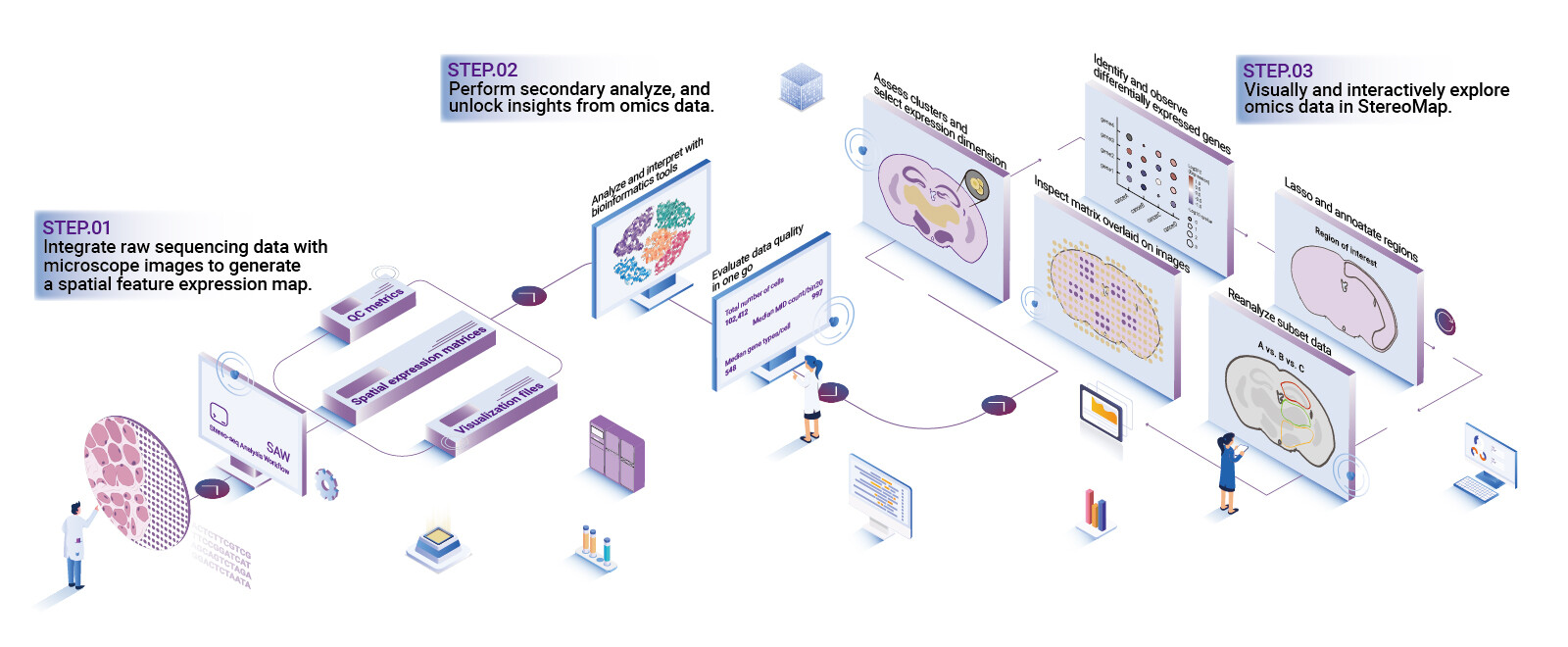
I remain convinced that the right mix of robust image registration, reliable cell segmentation and clear integration paths will cut waste and improve throughput—this is what buyers need to negotiate for. I will keep refining these checklists based on field tests; meanwhile, consider this a pragmatic starting point for smarter purchasing. — oh, and if you want vendor-neutral templates for pilot tests, I have them ready. Finally, for a vendor reference and further tools, see stomics.