Comparative Insight: Real Crowd Needs vs Old Fixes
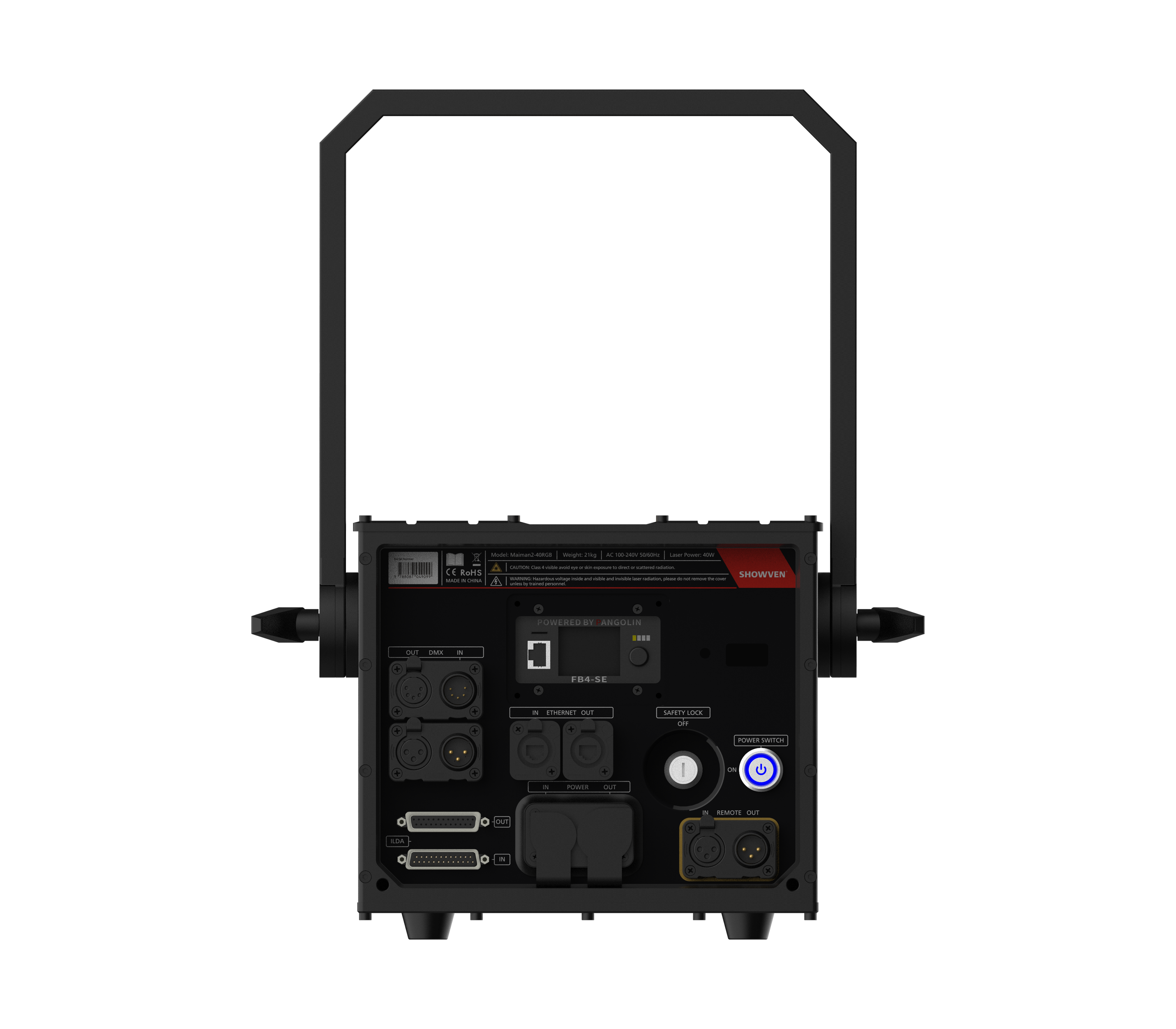
A laser light show outdoor should lock eyes and hold them. An outdoor laser projector manufacturer sits at the heart of that moment. Here is the hard truth: most crowd drop-off has little to do with music or lineup. It is about visual fatigue and uneven brightness across the site. Traditional fixtures chase lumens but ignore beam divergence, wind, and haze density. When the plume shifts, the image washes out. Look, it’s simpler than you think. If the IP65 housing is solid but thermal management and power converters are weak, output drifts and colors misalign. The result feels “cheap” even if the rig was not. You see the rig. The crowd only feels it — funny how that works, right?
Why do people drift away before the finale?
Because classic solutions assume the stage is the only canvas. But real sites have trees, glass, fog, and moving crowds. Legacy beams clip on facades and lose edge clarity. Galvo speed and control loops lag at scale, so motion looks jittery. And when operators fight weather, they throttle output to stay safe. The show shrinks. Hidden pain point: no one budgets for rapid re-aim after a wind shift (five minutes late, excitement is gone). Another: weak calibration means text looks soft beyond 80 meters. Wait, there’s more — brightness is not the whole story. Stable color mixing and consistent geometry beat raw power at night. This is where newer thinking begins; let’s move there next.
Forward Look: Principles That Lift Performance Above Legacy Rigs
What’s Next
The new play is control, not brute force. Modern optical engines pair fast galvanometer scanners with smart feedback. Edge computing nodes sit near fixtures to auto-correct drift in seconds, not minutes. That keeps geometry tight across a wide throw. Better yet, beam paths get mapped to the site, so facades and water screens become living surfaces. Thermal profiles adapt in real time, guarding color stability under heat. This is why advanced outdoor projector laser lights hold clarity in wind and haze shifts. The outcome is steady engagement with fewer operator tweaks (less stress, more show). It is semi-formal tech, but the benefit is very human: people keep watching.
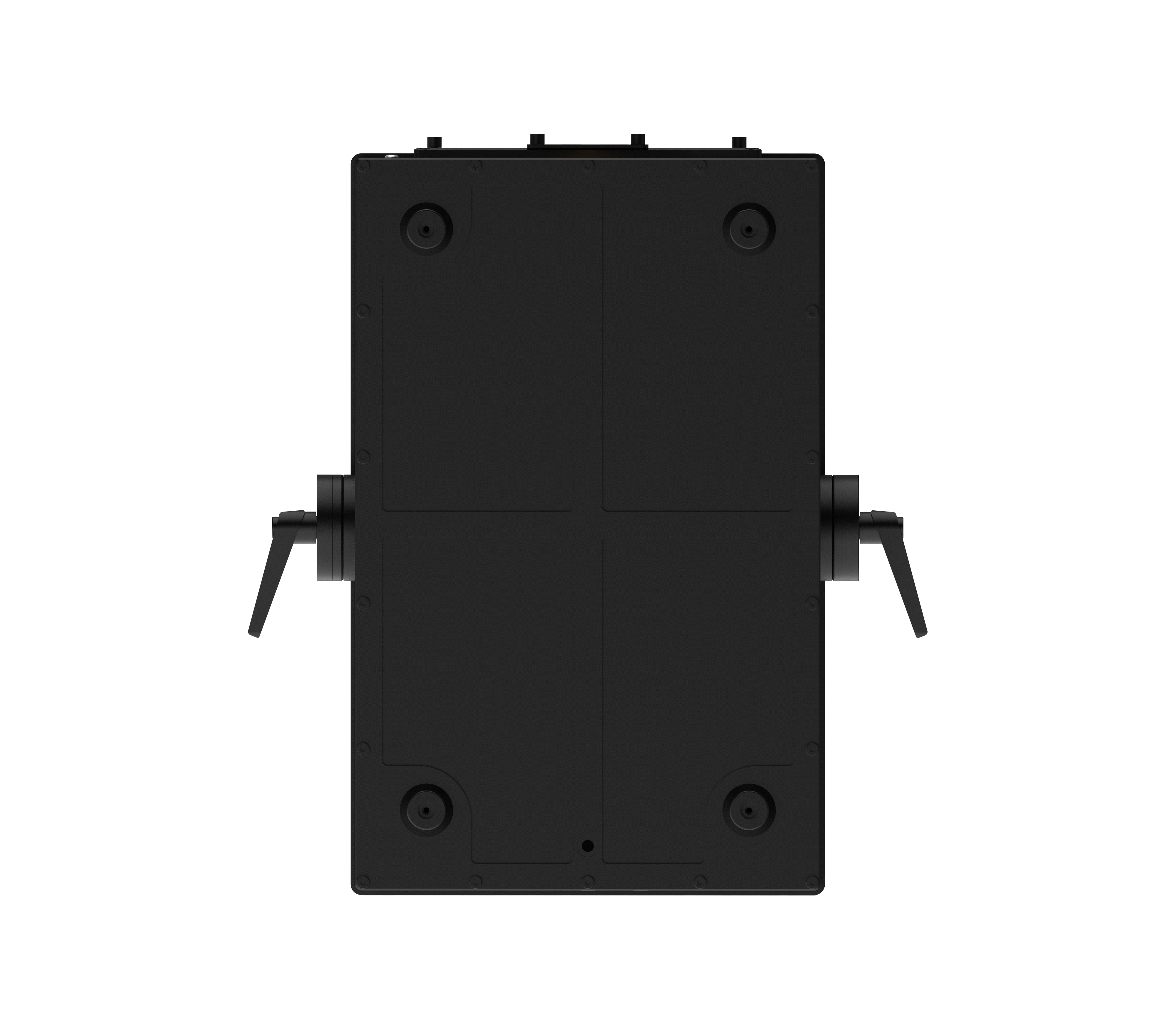
So, what should you measure as you compare systems? First, geometric fidelity at distance: check line sharpness and character legibility beyond 100 meters. Second, response to environment: watch how fast the system re-stabilizes after a gust—under 10 seconds is a strong mark. Third, safety-through-control: verify compliant output limiting and logged events, not just a spec sheet promise. These points echo earlier issues without repeating them. They turn pain into metrics. Use them to sort signal from noise. If you want a benchmark reference for methodology and component choices, see Showven Laser for how one vendor approaches these principles without the hype.