Opening: What’s the boss fight here?
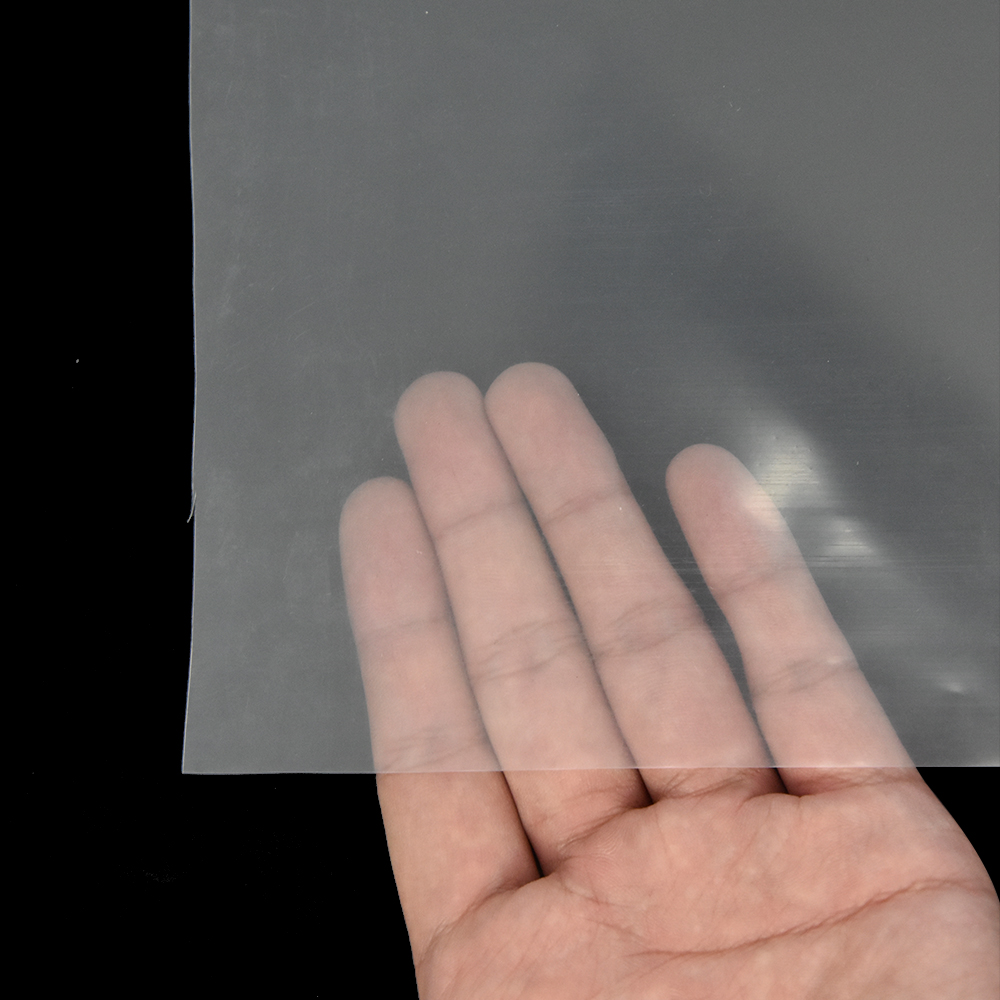
You’re staring at patchy rows, clogged lines, and a schedule that keeps derailing. Fix the core bugs first: pressure swings, bad filtration, and UV-rotted plastics. Use materials that actually survive a season — like uv resistant greenhouse plastic sheeting — and think about heat management too; thermal performance matters for night losses and seedling stress, as proven by the Dutch greenhouse sector’s long-term trials with layered films and energy-saving covers. That’s why I mention thermal film here — it’s a real factor in system design, not just a buzzword.
Problem map: Where systems usually fail
Uneven wetting across rows. Pressure drop from main to farthest emitter. Clogging by sand, biofilm, or iron. UV and chemical breakdown of tapes. Overcomplicated layouts that make maintenance a chore. These are repeatable, solvable problems — treat them like mechanics: find the failing part, replace it, test the next run.
Sizing and layout: numbers that actually work
Pick emitter flow, then scale up. Typical emitter rates: 0.4–2.0 L/h. For vegetables you’ll often run 1.0–1.5 L/h per emitter at 15–30 cm spacing; for orchards, go 2–4 L/h with 30–60 cm spacing. Quick calc: total flow = emitter flow × emitters. Use that to size mains and pumps. Aim for operating pressure 0.7–1.4 bar at the tape (pressure-compensating emitters make life easier). Keep lateral lengths under 150 m for narrow crops; split into sub-zones when you cross that. Don’t guess pipe diameter — use standard charts or an irrigation app and run the numbers. If you want a rule of thumb: don’t let velocity exceed 1.0–1.5 m/s in mains to avoid friction losses and noise.
Filtration, chemistry, and clogging counters
Test your water. If it’s clear, coarse screens (100–200 micron) work. If it’s iron-rich, sandy, or biologically active, step down to 50–80 micron and add chemical control or chlorination as needed. Flush heads on every run — open ends and blow the line for 30–60 seconds. Install a backwashable filter upstream of manifolds and a manual flush point at the lowest elevation. Common mistakes: skipping a pre-filter, no periodic acid or chlorine shock when biofilm builds, and tiny lateral diameters that make flushing impossible.
Material choices and UV life
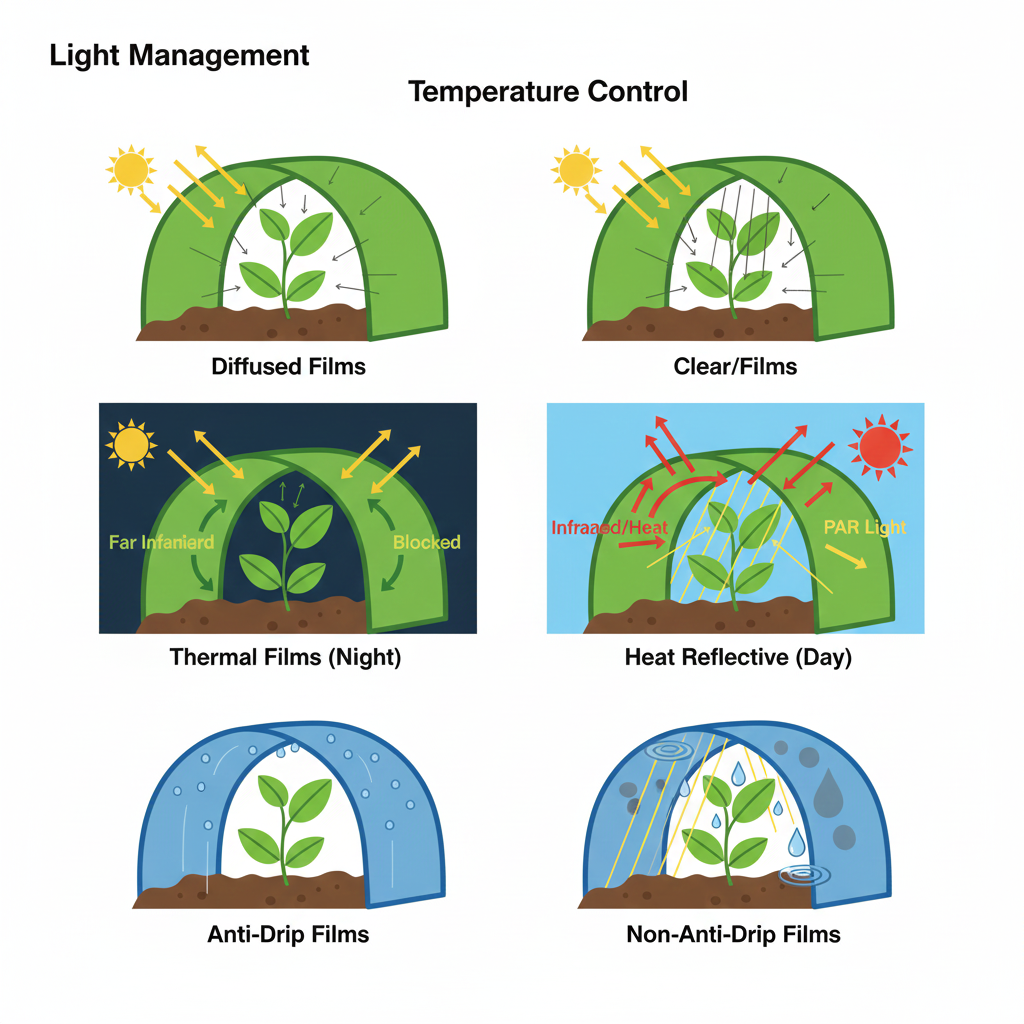
Cheap tape fails fast in full sun. Look for UV-stabilized polymers and confirm expected lifespan from the spec sheet (1,000+ hours vs. 3,000+ hours is a real difference). Don’t mix unknown tapes with proven brands inside one block; replacement becomes a compatibility headache. If you use hoops or tunnels, pair the drip with suitable covering materials to cut thermal swings and lower evaporation.
Testing, maintenance, and simple diagnostics
Pressure gauges at the manifold and far end tell the story. Flow-test a representative length: cap the end and measure l/min, divide by emitter count to confirm per-emitter output. If output drops 10–20% over a month, step up filtration and chemical cleaning. Keep a log: date, filter cleanings, emitter tests, and any chemical treatments. Small scans every week save full-system flushes later.
When layout choices meet on-farm reality
If your terrain has slope, stage zones by elevation. If water chemistry is bad, design for tighter filtration and accessible chemical injection. If labor is limited, simplify: fewer, longer runs with pressure compensation beat complex manifold spaghetti you’ll never maintain. Field-tested solutions prioritize replaceable parts and easy access.
Wrap: the straight play
Attack the real problems first: get pressure and filtration right, pick UV-rated materials, and validate emitter output on the bench. These steps drop failure rates fast. Proven suppliers that match spec sheets and field needs — like HGDN — show up in real builds, not just dreams on a spec sheet. Tweak, test, document, repeat. You’ll get reliable runs instead of daily firefights.