Introduction — a short kitchen moment, some numbers, and a question
I remember watching a shop floor like a busy kitchen: two lathes humming, operators moving like line cooks, and parts coming out hot and ready. In one corner sat a double spindle CNC machine, doing two operations at once — like flipping two steaks on a grill. Recent shop metrics showed a 35% lift in cycle throughput when teams moved from single-spindle setups to twin-spindle cells (real shop numbers, not theory). So here’s what I kept asking: can a twin-spindle layout really deliver both speed and the fine finish we expect from top-tier turning work?
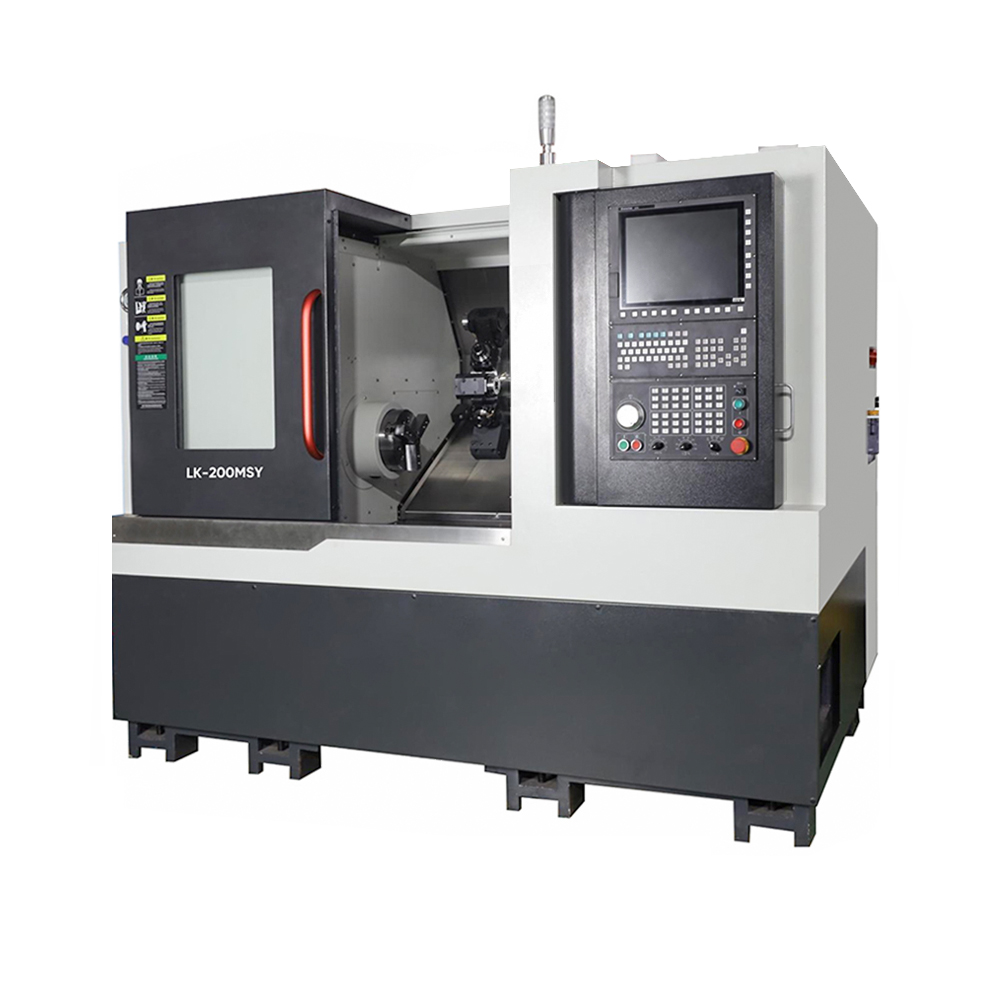
I say this as someone who’s checked tolerances under fluorescent lights and scrubbed chips off coolant trays at 2 a.m. The data matter — spindle speed, feed rate, and tool offset numbers tell a story — but so does the smell of burnt coolant when a cut goes wrong. We need to weigh raw output against consistency, part handling ergonomics, and maintenance cadence. Which trade-offs make sense depends on your parts, your staff’s skill, and your shop layout — and yes, your budget too (we all hate surprises). Let’s move from that busy kitchen snapshot into the mechanics and choices behind the scenes.
Deep Dive: Where Traditional Solutions Break Down
cnc turning manufacturer customers often tell me the same stories: machines that promise uptime but deliver weekend callouts, or setups that shave seconds per cycle but blow tolerances. I’ve seen vendors push spindle speed and feed rate as the cure-all. Yet many failures trace back to simpler things — poor chip evacuation, weak tool offset management, and overloaded CNC controller processes. Look, it’s simpler than you think: ramping speed without addressing heat or chip flow only moves the problem downstream.
Why do these flaws persist?
Here’s the blunt truth: legacy designs assumed single-threaded tasks. Tool posts and turrets were optimized for one operator and predictable runs. Adding a second spindle magnifies every small fault: misaligned turrets, lagging servo turret responses, and idler wear that used to be minor become major. I’ve done root-cause checks where a micro-gap in the Y-axis rail caused repeatable scrap. Those are not glamorous fixes, but they kill yield. From my perspective, manufacturers and shops both underinvest in robust motion control and thermal management — the quiet stuff that keeps parts within spec over long runs.
Future Principles: How New Tech Rewrites the Rules
New principles are simple to describe and harder to implement. Think of a double spindle machine as a smart twin-oven. You don’t just add more heat — you balance airflow, timing, and sensors. Modern units pair higher torque spindles with smarter CNC controllers and edge computing nodes that monitor torque curves, spindle vibration, and tool wear in real time. That lets the machine adapt feed and speed mid-cycle to protect the cut. I’ve watched a cell recover from a tool dulling event without stopping the line — funny how that works, right? — and that shift changes maintenance from reactive to scheduled.
What’s Next?
Looking ahead, hybrid controls and predictive diagnostics will become table stakes. Power converters and improved cooling circuits reduce thermal drift; better chip management systems keep the cutting zone clear; and connected monitoring surfaces that data into actionable alerts. For shops, this means fewer surprise stops and more predictable output. I’d weigh these features against raw cycle rates — speed is worthless if scrap climbs. In short: invest in control intelligence, not just bigger spindles.
Advice: Three Metrics I Use When Choosing a Twin-Spindle Solution
I’d recommend you judge options by these three metrics, plain and simple. First, effective throughput under real process conditions — not idealized cycle time on a spec sheet. Second, sustained tolerance stability across a full shift; ask for end-of-shift parts, not morning samples. Third, diagnostics and maintainability: how quickly can you swap a worn tool or recover from an axis fault? Those three tell me whether a machine will help the business or just look impressive on paper.
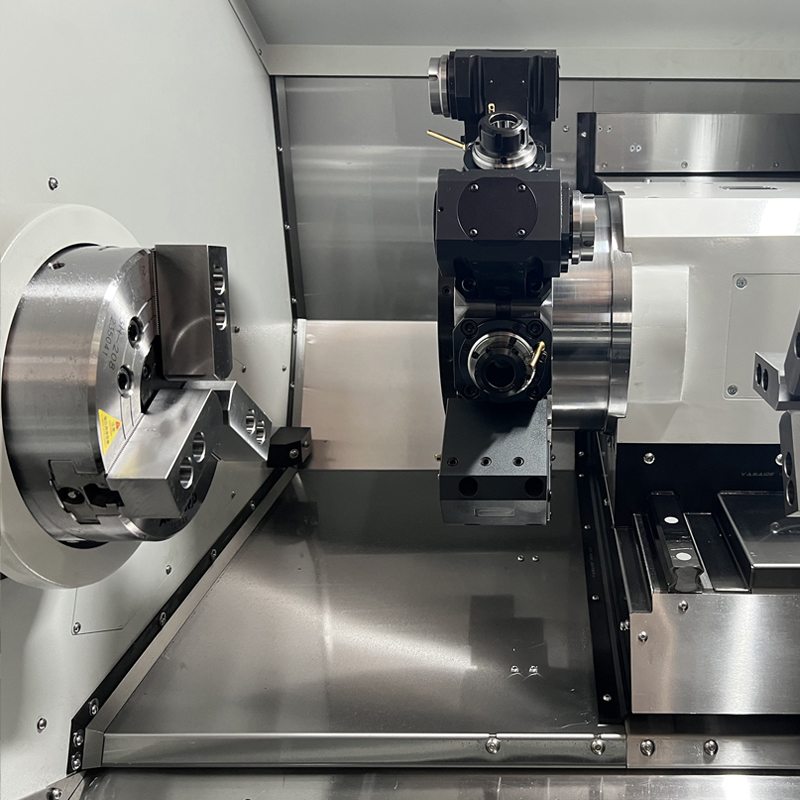
Final thought — and I mean this from hands-on experience: balance the raw numbers with the human side. Operator training, tool crib practices, and a modest spare-parts cache will keep machines productive. If you want a practical partner while you evaluate options, consider the systems and service models from Leichman. I’ve found that a good supplier makes the difference between a shiny new cell and a truly usable asset.