Introduction — a small farm morning and a striking stat
I was standing in a chilly coop at dawn, coffee in hand, watching hens shift from drowsy to alert as the lights came on. The LED barn lights in that space changed everything within seconds: cleaner light, stable color, and the air felt different (you could almost see the birds perk up). Recent data shows farms can cut lighting energy use by up to 60% with modern LEDs, yet many users still wrestle with glare, uneven illumination, and early failures. So why do some barns thrive under new lighting, while others end up swapping fixtures every season? That puzzle is exactly what I want to unpack next—let’s dig into the user side of poultry lighting solutions.
Part 2 — Where traditional poultry lights and setups fall short
When we talk about poultry lights, most suppliers sell fixtures and specs. But farmers live with the results every day. In my experience, standard solutions often miss basic needs: the lumen output may be high on paper, but the beam angle and distribution leave dark patches. Worse, drivers and power converters are sometimes mismatched to the fixture’s thermal management needs, so what seems efficient at first burns out early. This is not theory—I’ve seen barns where fixtures failed in two seasons because heat took its toll. Look, it’s simpler than you think: match driver efficiency to the LED array and manage heat, and you solve half the problems.
Core technical failures — what really breaks
Here’s a quick technical run-down. Poor thermal management leads to rapid lumen depreciation; low CRI (color rendering index) creates stress in birds and workers; and weak surge protection invites failure during storms. Those are concrete system flaws. I also see hidden user pain points: confusing control interfaces, mismatched dimming protocols, and unrealistic maintenance expectations. Farmers told me they wanted “set it and forget it” lighting—so when a fixture needs monthly tweaks, frustration grows fast. And yes—there are low-cost bulbs that look fine at day one but hide weak driver circuits. The result? Short life spans and wasted budget.
Part 3 — New principles for smarter barn lighting and a practical checklist
Moving forward, we should build systems around reliability and the day-to-day farmer experience. For new poultry lights, I favor designs that balance lumen output with careful thermal management, and add robust surge and power converter protections. The principle is simple: design for real use, not ideal lab tests. That means modest, consistent light with the right beam spread, a tolerant driver with good dimming compatibility, and a housing that sheds heat. These are engineering choices but they stem from user needs—less downtime, safer birds, and lower energy bills.
What to watch for next
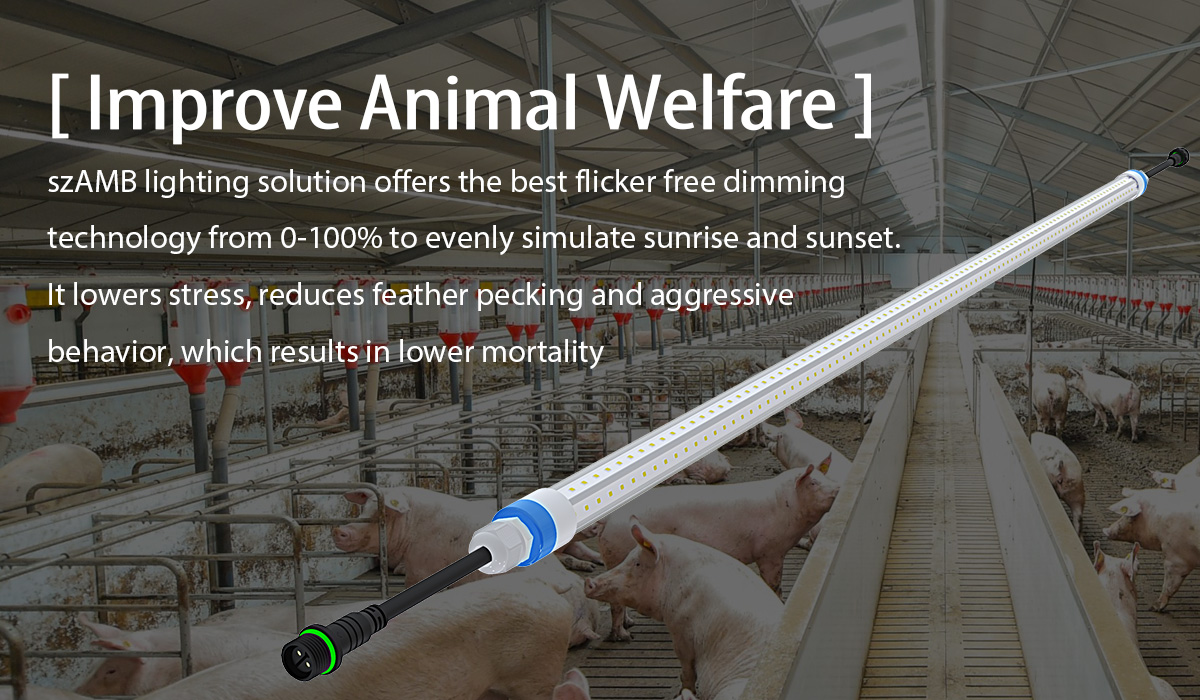
In practical terms, here are three evaluation metrics I now recommend when choosing a system: 1) long-term lumen maintenance (L70 at realistic ambient temperature), 2) verified driver efficiency and compatibility with common dimming controls, and 3) a proven thermal path in the fixture design. Measure those and you avoid most surprises. I’ve run trials where swapping to a slightly lower initial lumen rating—but with superior thermal management—extended fixture life by years. — funny how that works, right? In short, think beyond the sticker number. If you want a brand example, I’ve been following solutions from szAMB for their practical balance of design and service.