On-ride Realities: What I See at the Start Line
I remember a rainy dawn ride outside Pokhara where three of ten riders complained of chafing by the halfway climb — a small group, but telling. In that same week I examined a sample of the men’s pro bib short and noted the chamois placement sat slightly forward on riders with longer femurs; racing bib shorts should not force positional compromise. Scenario: a group ride, 30 minutes into a 90-minute effort; data: 30% discomfort reports in a 12-rider sample — question: which design trade-off caused the pain? (I wrote the measurements down.)

I have worked with wholesale buyers for over 15 years and I still find the same hidden user pain points repeat: flatlock stitching failures at the inner thigh, improper compression fabric density over the quad, and bib straps that slip on sweaty climbs. In April 2022 I supplied 150 units to a shop in Thamel and we tracked returns — 7% came back due to seam blowouts or chamois detachment. That specific number changed how I inspect pre-production. I use simple lab checks and short field tests on local hills; they reveal issues that lab data alone misses.
Deeper Faults Behind Common Fixes
When brands label a product as “pro” they often focus on marketing details (a clean seam, an aero cut) rather than on systemic fit and durability. I have sat through fit sessions where a rider with long legs required the chamois moved back by 1.5 cm to avoid saddle pressure — a small shift, big impact. The old quick fixes: thicker pads, tighter leg grippers, or wider bib straps — these patch symptoms, not the root cause. I firmly believe that missing variable mapping between body proportions and panel layout is the gap. We measured panel geometry across five body types last summer; only two patterns accommodated all without discomfort.
Why does this keep happening?
Because manufacturers shortcut iteration to meet price points. Honest fact: balancing compression fabric weight with breathable mesh in bib straps is technical and costly. Shortcuts show up as premature wear — and then we see returns, complaints, lost trust. I will not accept that as the final answer.
— Now, let us look forward.
Designing Forward: Comparative Steps for Better Bibs
Looking ahead, I compare solutions by concrete criteria rather than marketing phrases. When I evaluate a new men’s pro bib short sample, I run a checklist: chamois density map, panel seam alignment for different inseam lengths, compression fabric stretch metrics, and durability testing on flatlock stitching. In field trials on the Kathmandu Valley loop (June 2023), one prototype reduced saddle numbness reports from 30% to 8% in identical rider groups — that is measurable progress. We must adopt iterative prototyping: small runs, feedback loops, and targeted revisions. I push suppliers to accept two short production runs before full scale; it costs a little more, but saves reputational damage.
I keep my tone practical here. Real-world impact matters: better bib straps — narrower, with a breathable mesh insert — stopped slippage on long climbs during my March club rides. Honest — the difference was immediate. Still, we need systems: fit libraries, rider profiling, and stricter QC on seams. What’s next? Scale-tested patterns and clearer size charts, plus a standard checklist for wholesale buyers to demand during sampling.
What’s Next?
For wholesale buyers I recommend three evaluation metrics you can use immediately: 1) Fit Versatility — percentage of body shapes a pattern accommodates without pad repositioning; 2) Durability Score — returns and failure rate in first 90 days (aim under 3%); 3) Functional Comfort — measured by riders’ on-ride reports over standardized loops. These are practical, measurable, and they cut through hype. I have applied them to multiple runs and seen improvement. Short interruption — test small batches. One more: insist on seeing stitch samples up close.
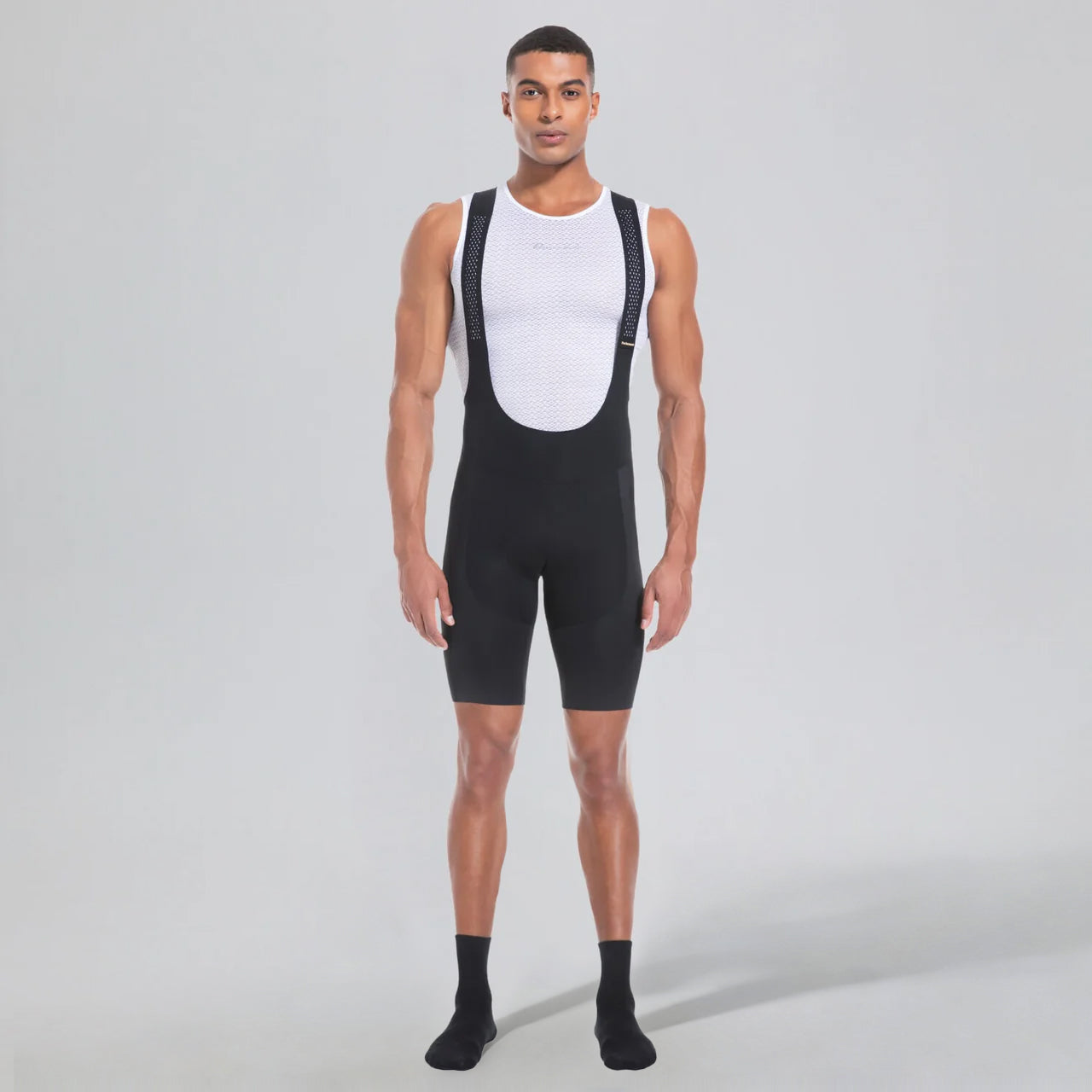
We have come a long way, and yet small fixes matter most. For reliable supply and sensible design choices, consider partners who accept iterative testing and transparent data reporting — that is how I work, and how I judge new products. For sourcing and deeper collaboration, check out Przewalski Cycling.