Introduction — a simple clinic moment, a surprising stat, a big question
I once watched a small clinic sit empty for an hour while their new device blinked through its setup routine—staff shuffled papers, clients waited. In that scene I saw both opportunity and friction. Many red light therapy company teams I talk with report similar bottlenecks: inconsistent session outcomes, confusing device controls, and rising maintenance costs. A recent industry poll found more than half of independent clinics saying device usability is a top barrier to growth. So how do we move from awkward handoffs and mixed results to a predictable, scalable program that patients trust? I want to walk you through that—step by step, with tools and clear checkpoints (and yes, practical fixes you’ll actually use). Next, we’ll dig into what often goes wrong beneath the surface.
Part 2 — Why classic setups fail: the hidden faults in the infrared bed world
What’s the common failure mode?
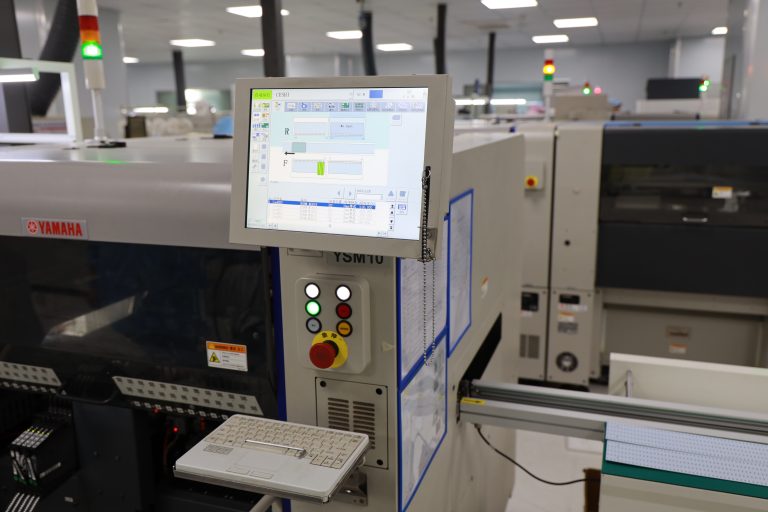
When people think “infrared bed,” they picture a patient lying down and a machine doing the rest. But the reality is messier. I’ve seen beds with uneven irradiance across the panel, LED array elements that age at different rates, and control modules that lack fine-tuned therapy protocols. Those are not minor details—they shape outcomes and patient trust. Look, it’s simpler than you think: if the light intensity varies across the surface, one area gets the right dose while another gets too little. That leads to inconsistent recovery and calls to support. From my view, these flaws come from design shortcuts—cheaper power converters, weak heat sinks, and limited calibration routines.
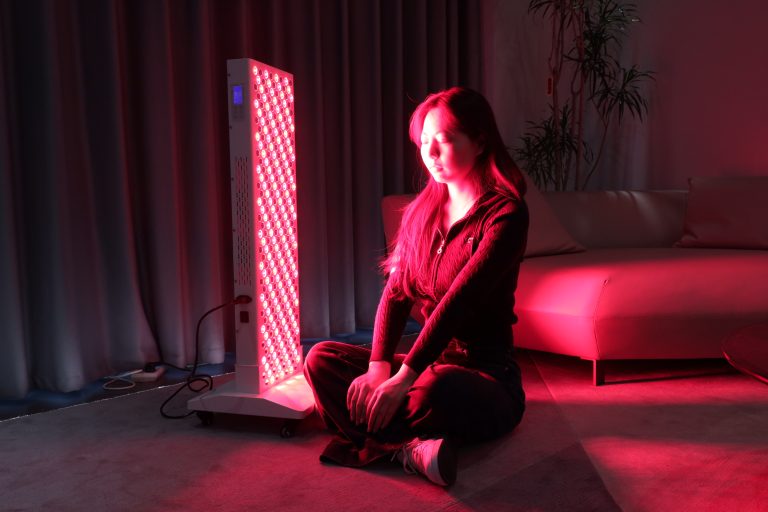
Technically speaking, traditional systems often ignore key variables. Wavelength consistency matters: photobiomodulation is wavelength-specific, and small shifts change the physiological effect. Also, thermal management gets short shrift. Without proper heat sinks and smart control, LEDs drift and patient comfort drops. I always recommend clinics ask for irradiance maps and simple maintenance guides. We can fix many of these issues with better QA, frequent calibration, and user-focused interfaces. The payoff is fewer complaints, clearer therapy logs, and happier repeat clients—so we save time and build reputation.
Part 3 — Looking forward: a case-inspired outlook and practical metrics
What’s next for clinics and product teams?
Let me tell you about one clinic that switched to a modular infrared bed system last year. They replaced a fixed, one-size unit with a configurable platform that allowed targeted wavelengths and simple firmware updates. The staff learned the interface in a morning. Within months, session consistency improved and client retention rose. This case shows how design choices—like modular LED arrays, smarter control modules, and firmware-driven therapy profiles—translate into business wins. We saw fewer service calls and neater therapy logs. Small changes cascade: better power converters mean less noise; stable wavelengths mean predictable results; and clear protocols build client confidence.
So, how should you evaluate options? Here are three metrics I use when I help a clinic choose equipment: 1) Measured efficacy — ask for irradiance maps and wavelength tolerance specs so you can compare expected dose delivery. 2) Safety and thermal control — look for robust heat sinks and real-time thermal monitoring to avoid drift and discomfort. 3) Lifecycle support — check firmware update paths, spare-part access, and calibration routines. These metrics tell a clear story about value, not just price. — funny how that works, right? If you apply them, you’ll cut surprises and free staff to focus on care rather than troubleshooting. In the end, these practical checks help you scale responsibly while keeping patient outcomes front and center. For clinics seeking a reliable partner, I recommend evaluating both product design and ongoing support. And if you’re comparing vendors, consider how quickly they respond and update devices over time. For a real partner in that journey, explore what Magique Power offers; I find their focus on calibration and service genuinely helpful.