Introduction — a small factory, a big problem
I remember standing in a small factory outside Bangkok where the lights blinked and the workers smiled, but the orders still missed deadlines. In that visit I saw many flyers about wet wipes production line promotions and a chart showing 18% downtime last quarter (yes, real numbers). The scene stuck with me — why do good machines and good people still lose time? I ask this because data is clear: less downtime means more margin, and margins matter. Often people think automation fixes everything overnight, but that is not always true. I will share what I learned, step by step — simple, practical, and a little bit personal. Now let’s move into the common pain points that hide behind the shiny panels.
Part 2 — Why the usual fixes fail (technical look)
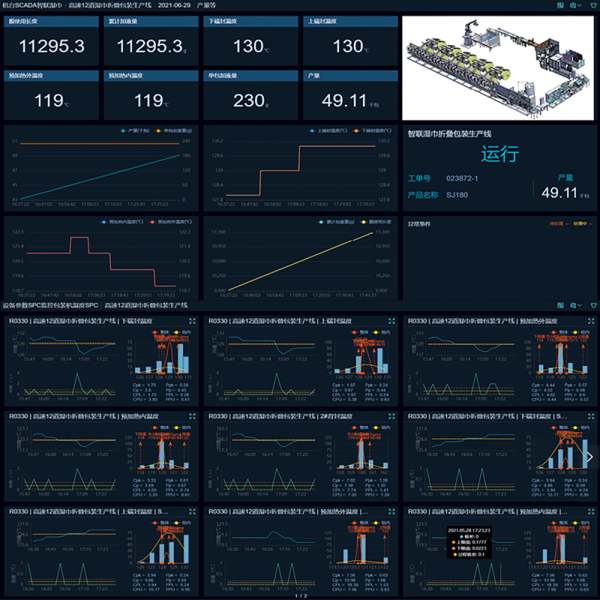
I searched for answers and looked closely at systems that people buy when they want to supply wet wipe production line needs. The first 100 words here mention supply wet wipe production line because that is where the discussion starts. Many teams add SCADA and MES without aligning them to operations. They expect PLCs and servo motors to behave like magic. In practice, mismatched PLC logic, poor HMI design, and unstable edge computing nodes create new errors. I felt frustrated — we spent money but we did not get reliability. Look, it’s simpler than you think: the problem is not only hardware. Software flows, user training, and power converters all play a part. I’ve seen lines where a tiny mismatch in conveyor timing causes rework for thousands of wipes. That is costly, and avoidable.
So what breaks first?
Most failures start at the interface. Operators need clear feedback. If SCADA screens are cluttered, or if MES batch tags do not match physical trays, people override alarms. They do it to keep production running. That creates silent issues. My view is direct — fix the human–machine link before you add more modules. I think better testing, simple HMI, and clear PLC logic reduce 50% of the common faults. — funny how that works, right?
Part 3 — Case outlook and practical principles for the next step
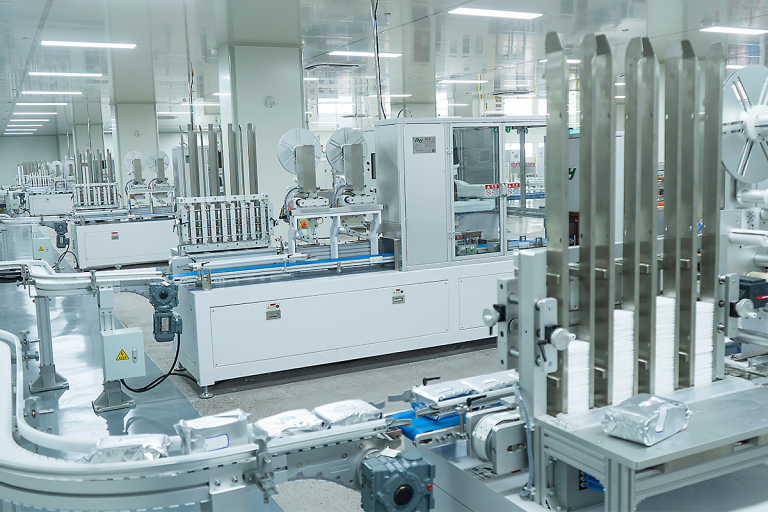
Looking forward, I want to show a short case and a plan you can use. I once worked with a medium plant that wanted to modernize. We proposed a staged upgrade to their supply wet wipe production line, starting with clearer HMI screens, then adding predictive alarms using edge computing nodes, and finally tuning servo motors for gentler handling. The result: downtime dropped, waste dropped, and the team felt more in control. This stepwise plan keeps cost low and learning fast. In my experience, small pilots tell you more than big rollouts. They also reveal where power converters or network latency will bite you.
What’s Next?
If you evaluate options, choose based on these three metrics: uptime improvement (measure real minutes saved), operator adoption (will people use it every shift?), and integration risk (how much rework will IT need?). Those three tell you whether a project is likely to succeed. I recommend running a 30-day pilot, collect simple stats, and involve one lead operator. You will learn fast. I am not saying it is easy — it takes work, and training matters — but the payoff is clear. In closing, I stand by practical upgrades over flashy promises. If you want a partner who understands both line mechanics and real shop-floor behavior, check out ZLINK.