The Rise of Pallet Roller Tracks
Imagine a warehouse filled with chaotic aisles, where pallets are stacked haphazardly, creating bottlenecks in productivity. Recent studies show that nearly 30% of warehouse workers’ time is wasted on inefficient handling procedures. This inefficiency can be drastically reduced with the implementation of roller pallet flow tracks.
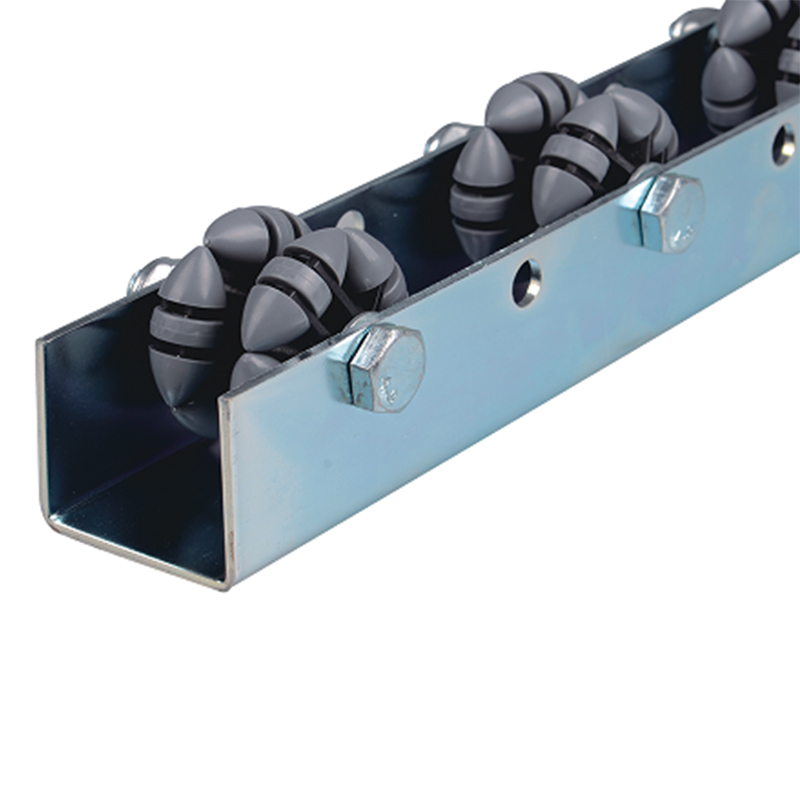
Why Traditional Solutions Fall Short
Many businesses still rely on outdated methods like static shelving or manual handling. I often think back to one project in 2018 where our team struggled when switching to these traditional systems. They may seem simple, but they harbor flaws. Continuous movement is crucial in modern logistics; traditional racks limit flow. Additionally, the reliance on manual handling often leads to injuries and variable product damage. You want every pallet to glide smoothly, don’t you? That’s where roller pallet tracks come into play.
What Makes Roller Tracks Different?
Compared to older systems, these tracks offer gravity-assisted flow, reducing the need for active pushing or pulling. They operate on a gentle slope, which means products can be easily moved without additional labor costs. That’s right—a flexibility you need! Imagine having multiple products traveling in a seamless line, creating a symphony of efficiency—no more traffic jams in the aisles!
The Road Ahead: Redefining Warehouse Efficiency
As warehouses evolve, the integration of technology and smart design is non-negotiable. The industry is shifting towards automation and sustainable storage solutions, and pallet roller tracks are set to lead this charge. With the potential to streamline operations further, these roller pallet flow tracks are paving the way for a more efficient future. Investments in automation can drastically cut handling time, usually reducing delivery times by up to 15% for warehouses—something to seriously think about.
Real-World Impact
Let’s not forget the practical implications. I remember a client in Bavaria who upgraded to these systems in early 2022, and within three months, they reported a 20% increase in throughput. It’s not just about fancy tech; it’s about tangible results that translate to faster delivery and happier customers. It’s a no-brainer for companies that want to stay ahead of the curve while also catering to a growing demand for immediate fulfillment.
Choosing the Right Solutions
The lessons from all these insights? First, determine your operational needs—space, throughput, and budget should be your guiding metrics. Second, think about long-term viability—can the system grow with your business? And lastly, never underestimate the importance of safety measures; efficient systems should also keep workers safe from injury. We want every pallet moving smoothly and safely.
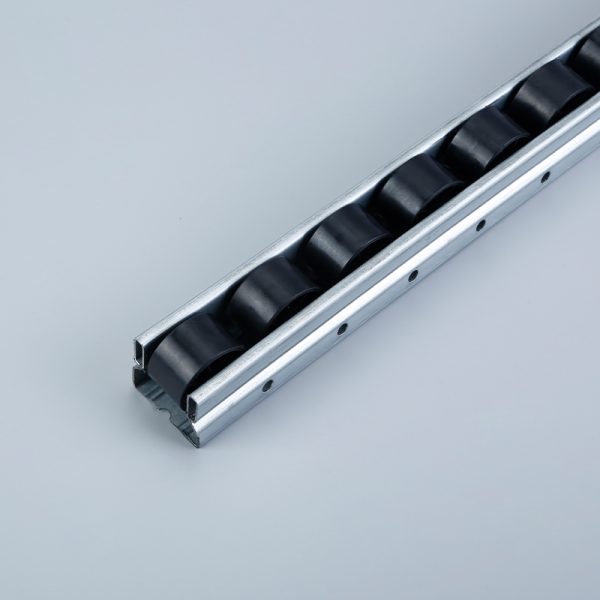
In closing, as you consider upgrades to your warehouse solutions, think about how modern innovations like roller pallet flow tracks could make a significant difference. Investing in the right system isn’t just about keeping up with trends; it’s about redefining your operational capabilities for the coming years. I firmly believe this could be a turning point for anyone in the supply chain; let’s take that step toward efficiency together!