A Changing Landscape in Pressure Measurement
Just imagine—you’re on a drilling rig in the heart of the Amazon, racing against time to finish a project with strict deadlines. Data shows that 30% of downtime comes from improper pressure measurements. Now, what happens when you throw a hammer union pressure sensor into that mix? You gain not just accuracy, but a dependable technology that helps avoid costly mistakes.
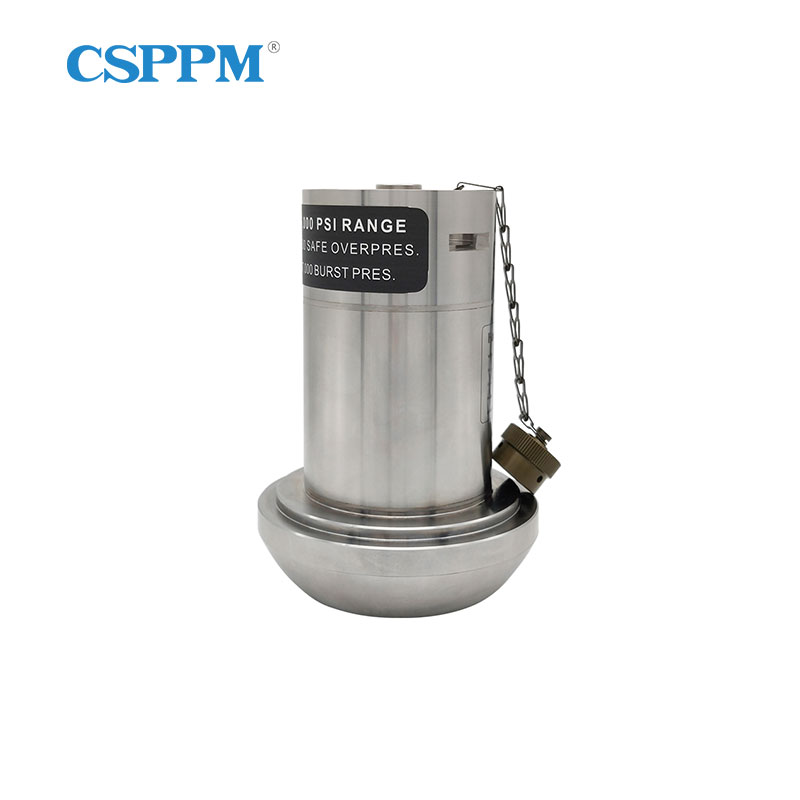
Traditionally, many operators opted for basic pressure gauges, overlooking the transformative potential of a corrosion resistant pressure transducer. I’ve seen firsthand the flaws in relying on outdated solutions—like my colleague, who once lost a contract over a misread pressure gauge. We all know that in industries like oil and gas, being off by a mere fraction can mean the difference between success and failure. So, it’s essential to keep an eye on the technology that saves us time and money.
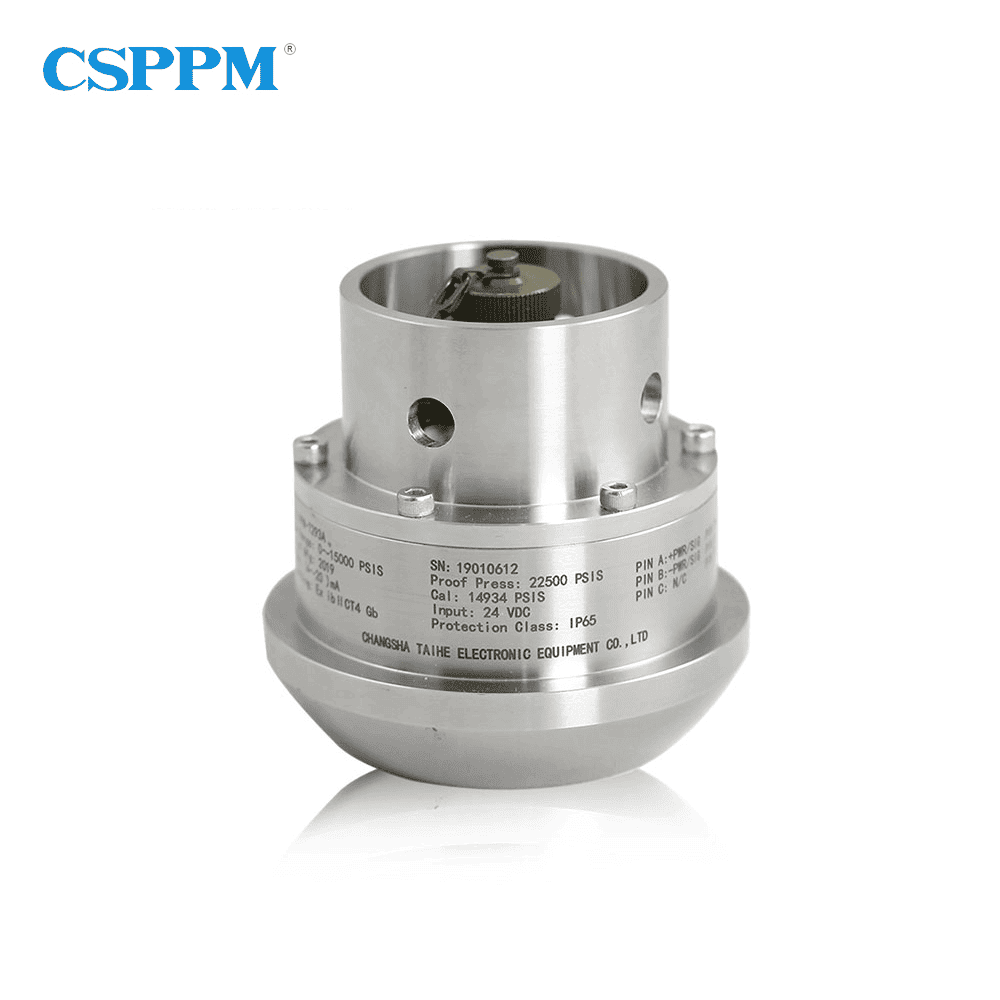
Why Hammer Union Pressure Sensors Stand Out
With hammer union pressure sensors, users benefit from a solid construction that’s specially designed to withstand harsh environments—imagine the elements in South America! They’re not just robust; they provide incredibly accurate readings that create efficiency across the board. The pressure sensors work optimally, minimizing maintenance time and enhancing safety protocols.
Why Choose Corrosion Resilience?
That’s simple. A corrosion resistant pressure transducer is essential for environments where corrosive fluids are a norm. This was my game-changer during a field visit in July 2022; I saw how moving to these sensors drastically reduced wear and tear on equipment. It not only cut costs by 20% but also boosted productivity.
Looking Ahead: The Future of Measurement Technologies
Alright, let’s pivot. It’s clear that the landscape of pressure measurement is changing. Innovative technologies like smart sensors are gaining momentum, paving the way for better data analytics and remote monitoring. Companies are realizing that investing in robust tools isn’t just an option; it’s a necessity for staying competitive. So, what’s the catch? Understanding which technologies suit your unique needs can be daunting.
What’s the Bigger Picture?
Think of it this way: the smarter your tools, the smoother your operations. Partners who adopt advanced systems report significant improvements in efficiency and accuracy—50% reductions in unnecessary downtime are reported more often than not. I mean, who wouldn’t want better outcomes like that?
Another essential factor to consider is ease of integration. It’s not just about how reliable a corrosion resistant pressure transducer is, but also how seamlessly it can fit into your current setup. Remember, technology shouldn’t feel like it’s adding more weight; it should lift the burdens off your shoulders, making life easier.
The Bottom Line: Making Informed Decisions
As I round off my insights, I’d like to emphasize three evaluation metrics worth considering when investing in any sensor technology: reliability, integration ease, and long-term durability. These metrics will help ensure you’re making the right choice—especially in challenging environments.
Reflecting on my journey, I realize that it’s the small yet critical advancements in sensor technology that create more substantial impacts. Hammer union pressure sensors are leading the charge in transforming how industries operate. With reliable partners like CSSPM Sensor onboard, I’m confident the best is yet to come.